Exhibition
Isamu Noguchi: "I am not a designer"
On view through January 3, 2027
Today's hours:
Closed
Monday
10 am–5 pm
Tuesday
Closed
Wednesday
Closed
Thursday
10 am–5 pm
Friday
10 am–5 pm
Saturday
10 am–5 pm
Sunday
10 am–5 pm
Monday
10 am–5 pm
Tuesday
Closed
Wednesday
Closed
Thursday
10 am–5 pm
Friday
10 am–5 pm
Saturday
10 am–5 pm
Sunday
10 am–5 pm
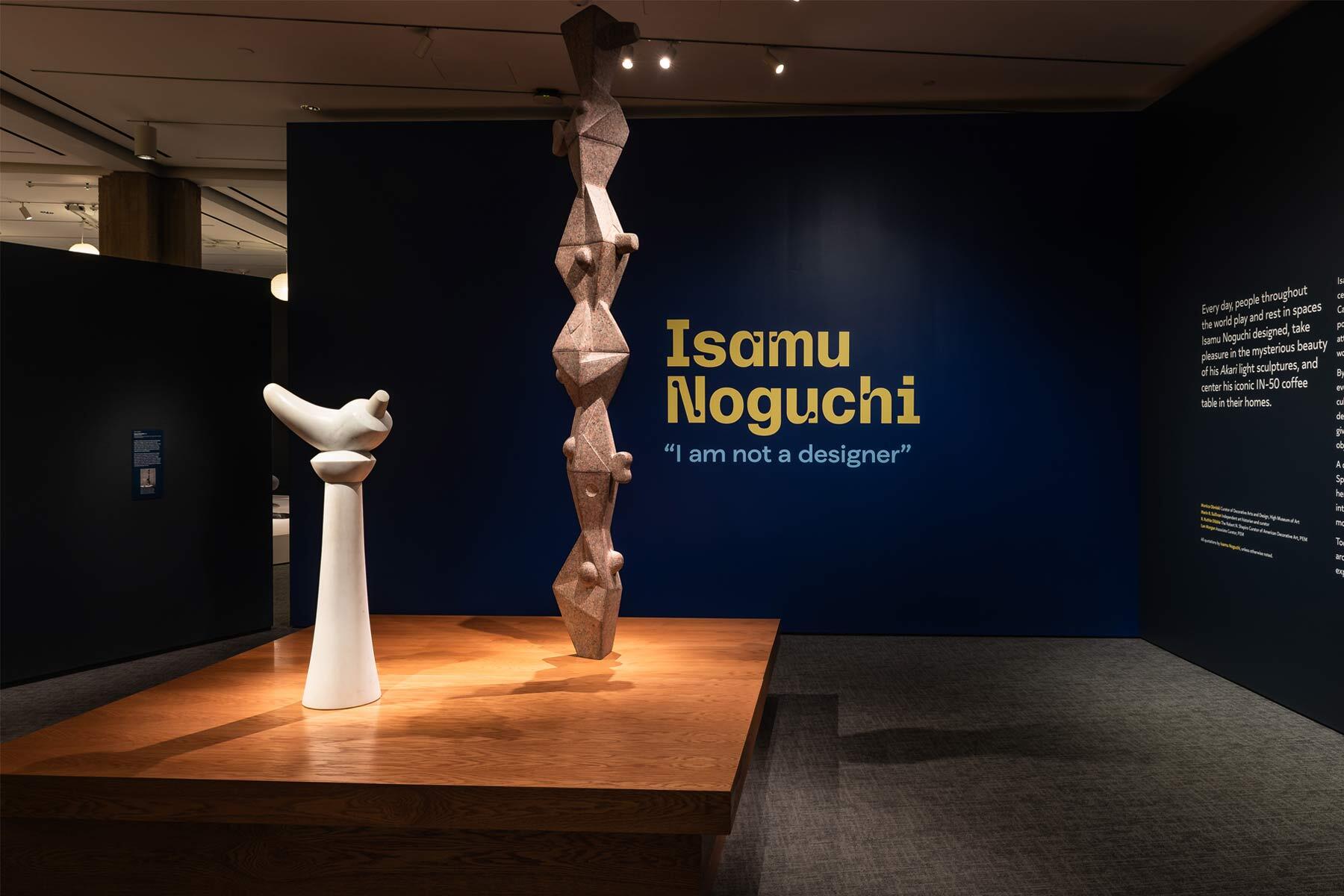
Explore a major retrospective that offers a new perspective on the design work of Isamu Noguchi (1904–1988).
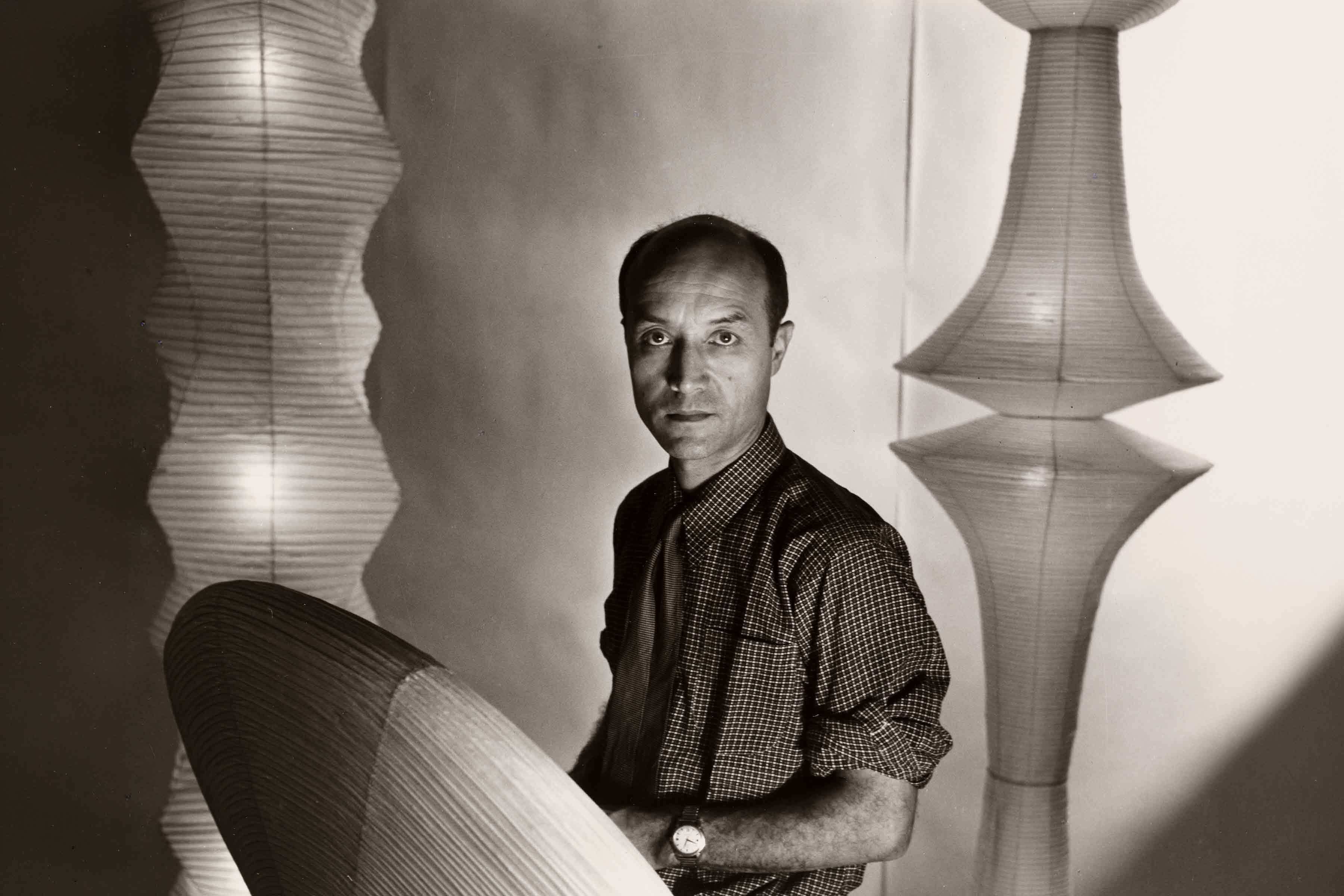
TOP IMAGE Louise Dahl-Wolfe, Isamu Noguchi, 1955, gelatin silver print. © 2025 Center for Creative Photography, Arizona Board of Regents/Artists Rights Society (ARS), New York. © 2025 The Isamu Noguchi Foundation and Garden Museum, New York/Artists Rights Society (ARS), New York.
As one of the 20th century’s most critically acclaimed and genre-blurring artists, Noguchi created a remarkable design legacy encompassing sculpture, lighting, furniture, ceramics and designs for public spaces such as gardens, playgrounds and plazas.
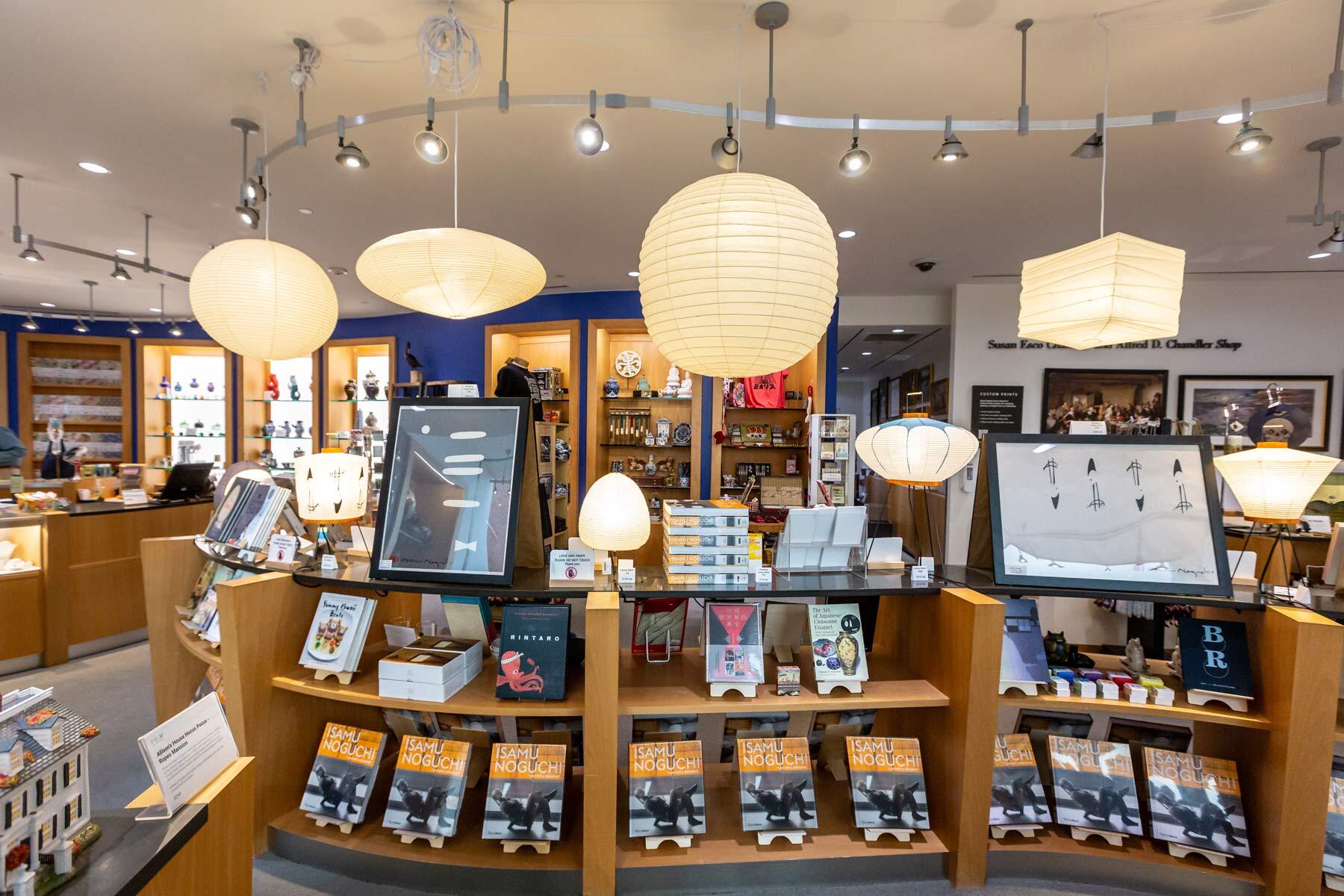
Organized by the High Museum of Art in Atlanta, Isamu Noguchi: "I am not a designer" shines a light on the artist’s limitless creativity and social consciousness. Discover the evolution of Noguchi’s design work, particularly the way he created environments through theatrical set design, furniture and inclusive public spaces — all of which were intentionally designed to improve the way people lived. Many of his designs remain incredibly popular, such as the celebrated coffee table and Akari light sculptures that you may recognize in stores today. As Noguchi once said, “Everything is sculpture. Any material, any idea without hindrance born into space, I consider sculpture.”
Noguchi also excelled at working collaboratively and forming close relationships with other creative professionals, particularly with modern dancer and choreographer Martha Graham, American architect R. Buckminster Fuller and Romanian sculptor and painter Constantin Brâncuși. These fruitful creative relationships are also highlighted within the exhibition.
Follow along on social media using #PEMNoguchi
Isamu Noguchi: “I am not a designer” is organized by the High Museum of Art, Atlanta. Major funding for this exhibition is provided by the Henry Luce Foundation and Terra Foundation for American Art. The exhibition at PEM is made possible by Carolyn and Peter S. Lynch and The Lynch Foundation, and Karla and Jeff Kaneb. We thank Jennifer and Andrew Borggaard, James B. and Mary Lou Hawkes, The Creighton Family, Chip and Susan Robie, Karla and Jeff Kaneb, Timothy T. Hilton, and an anonymous donor as supporters of the Exhibition Innovation Fund. We also recognize the generosity of the East India Marine Associates of the Peabody Essex Museum.


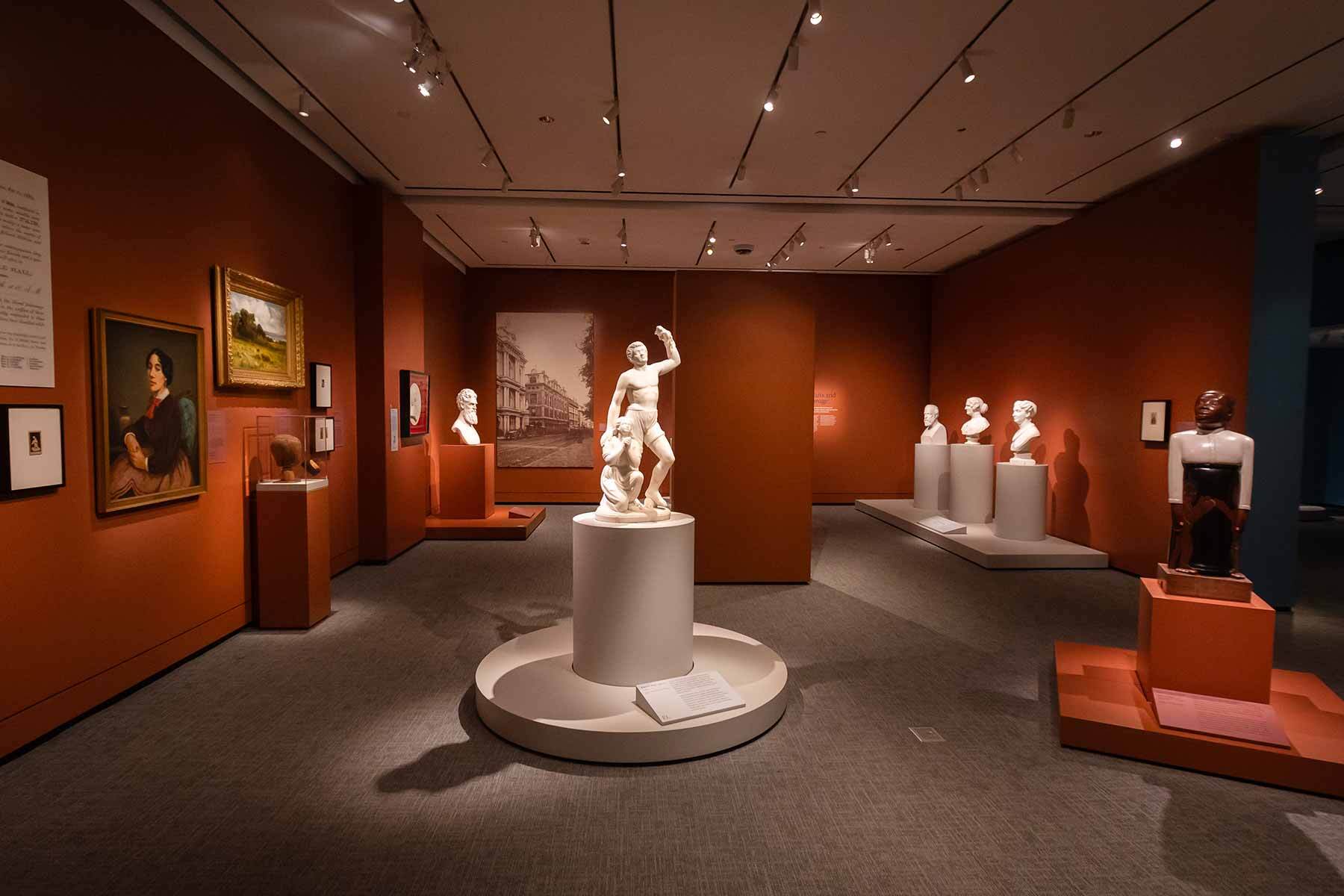
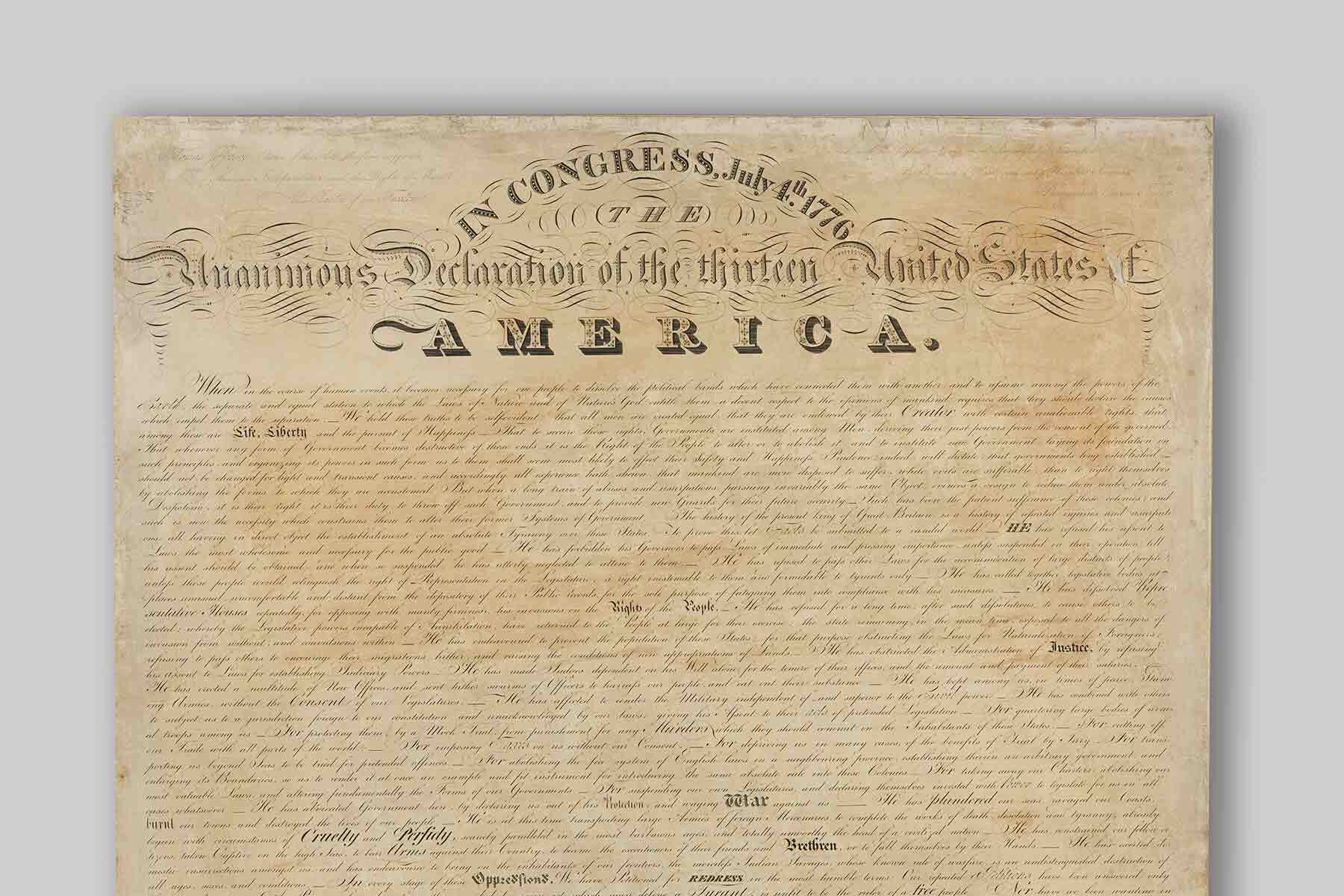
Images from the exhibition.
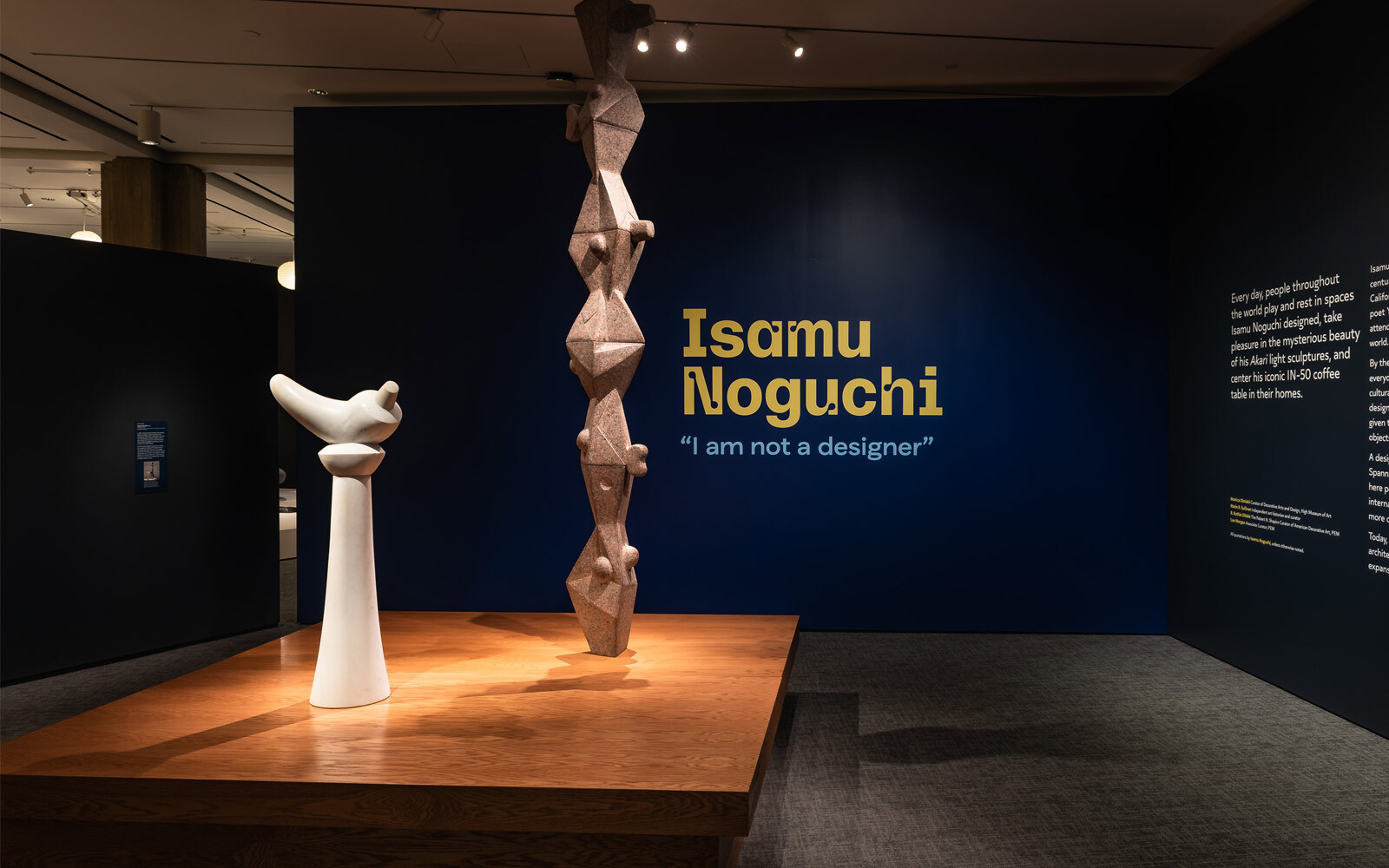
Photo by Kim Indresano/PEM.
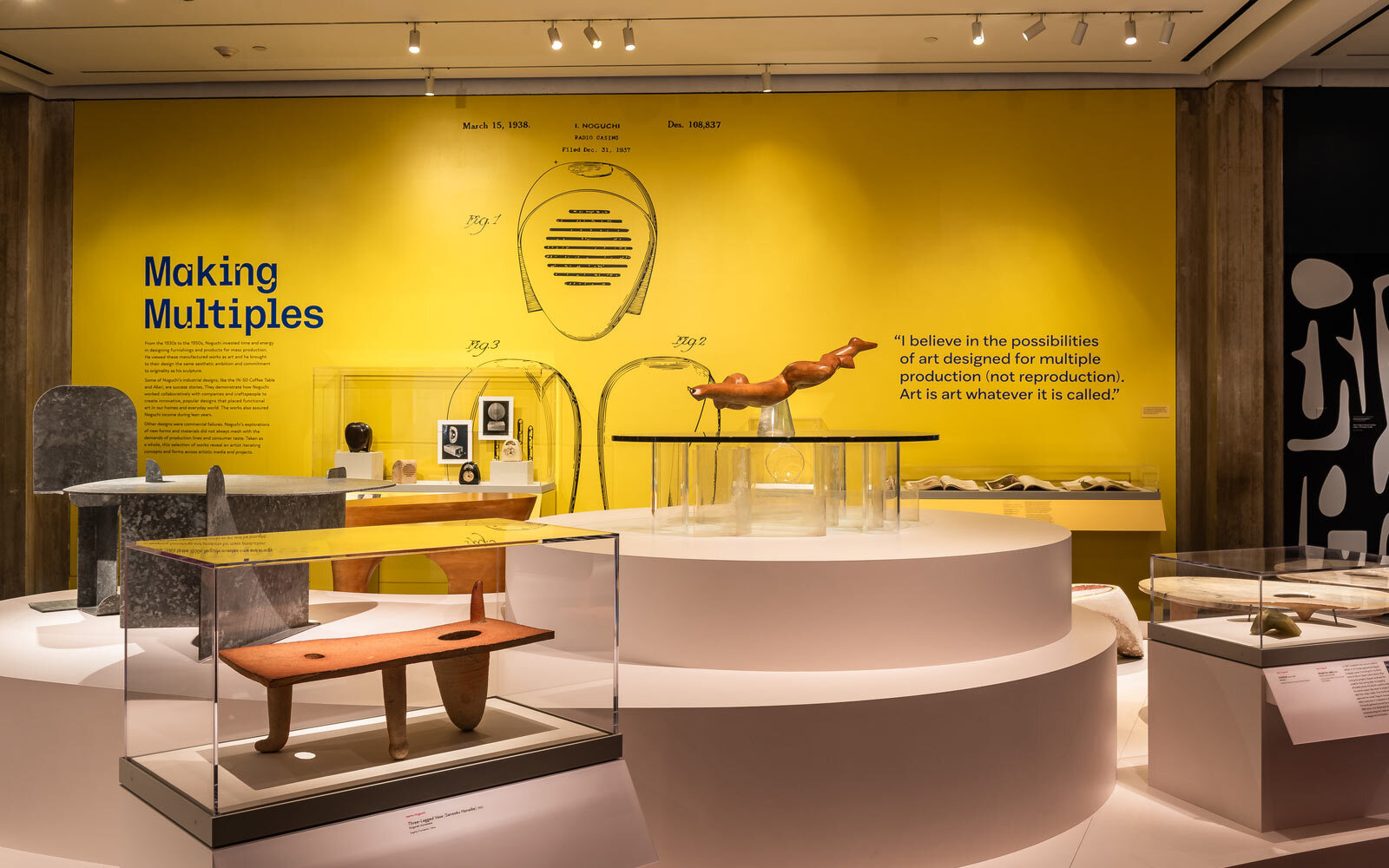
Photo by Kim Indresano/PEM.
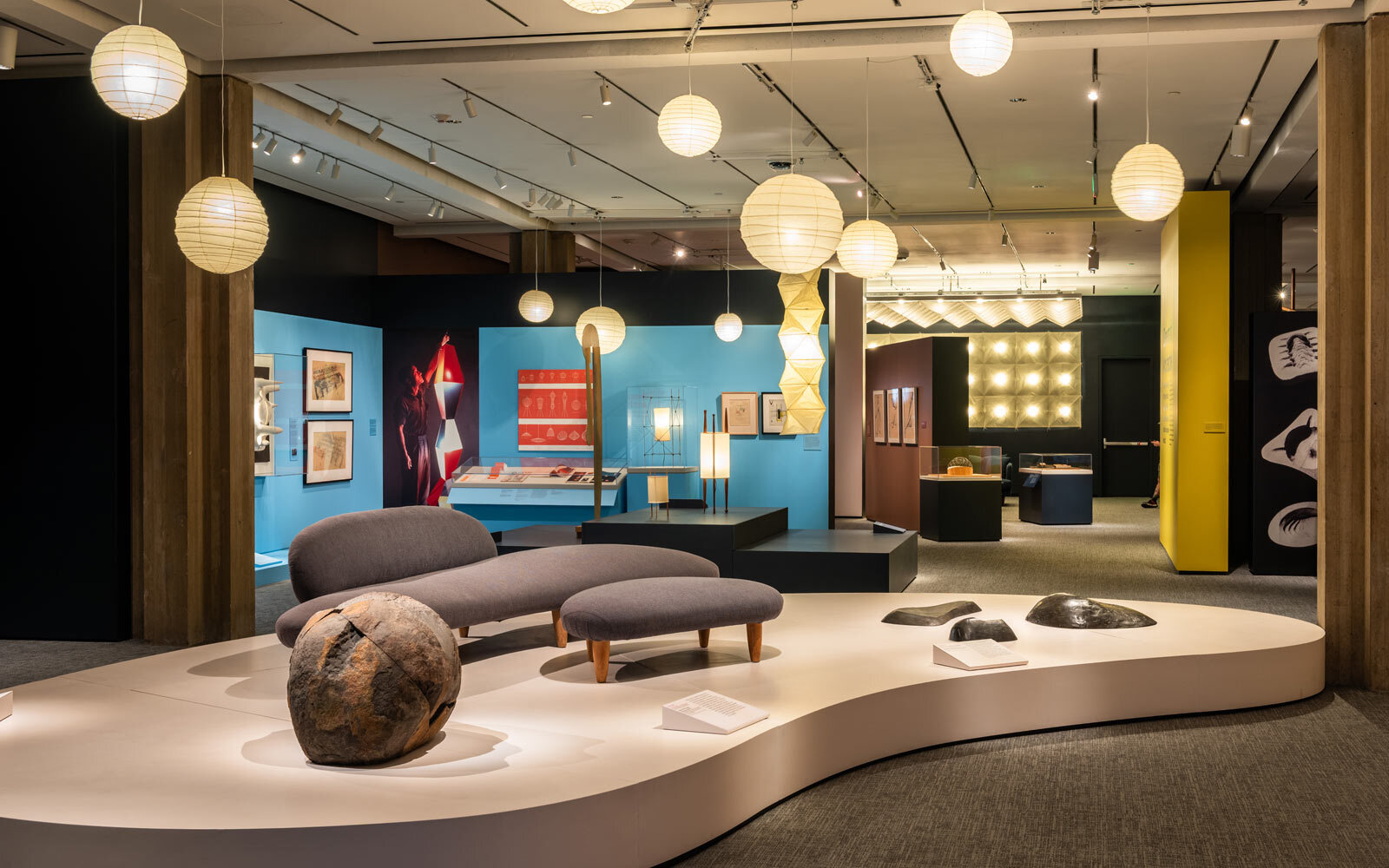
Photo by Kim Indresano/PEM.
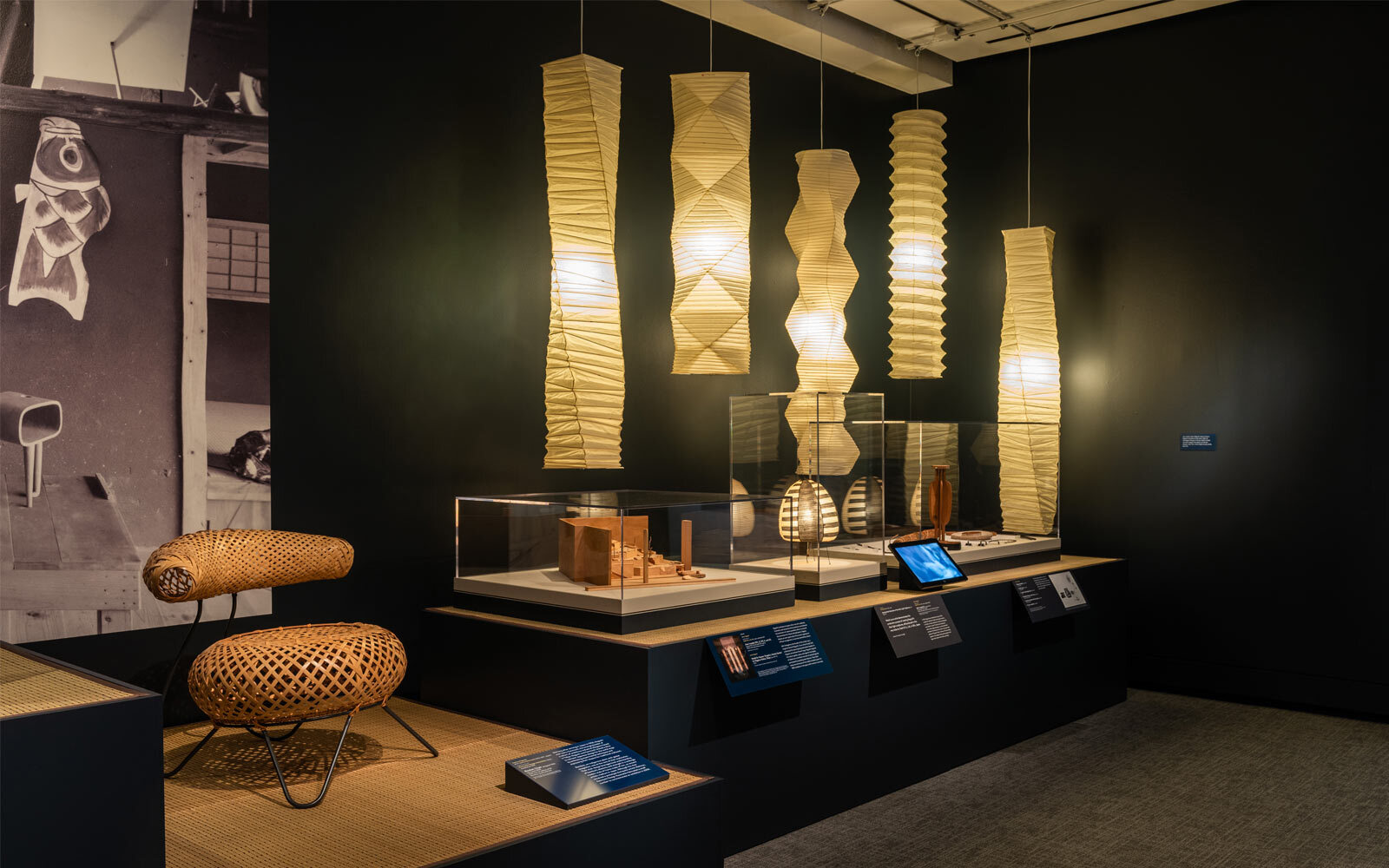
Photo by Kim Indresano/PEM.
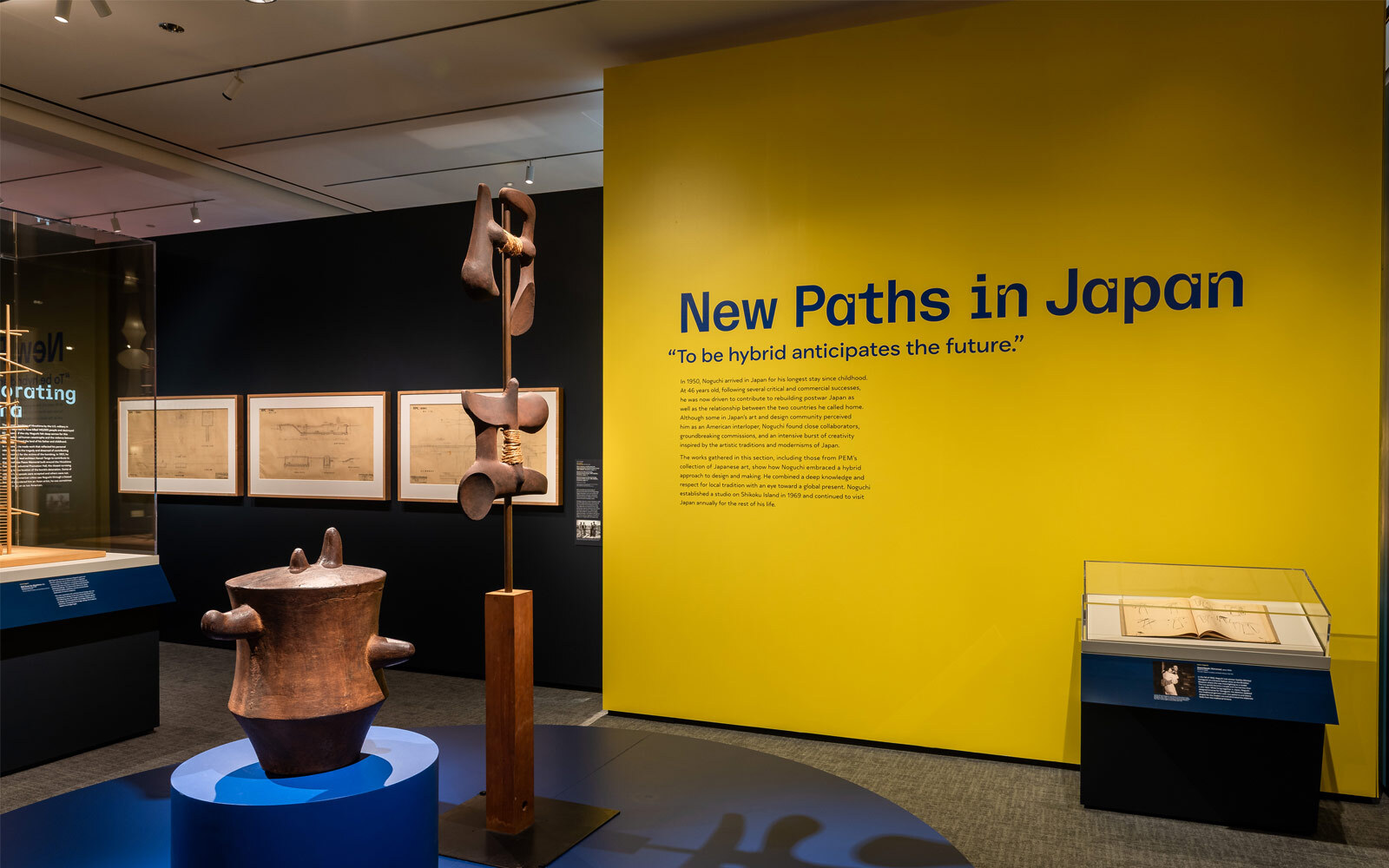
Photo by Kim Indresano/PEM.
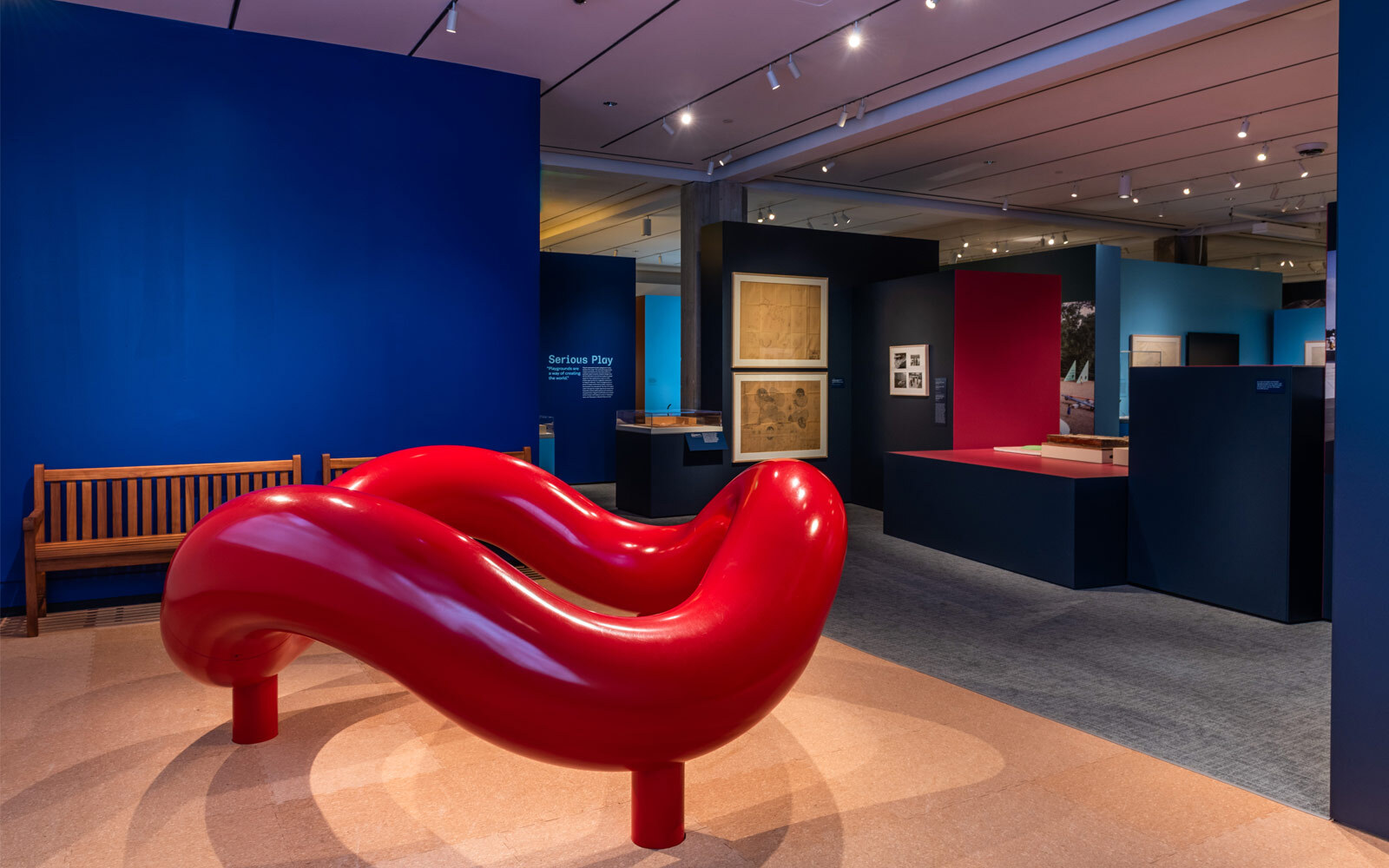
Photo by Kim Indresano/PEM.
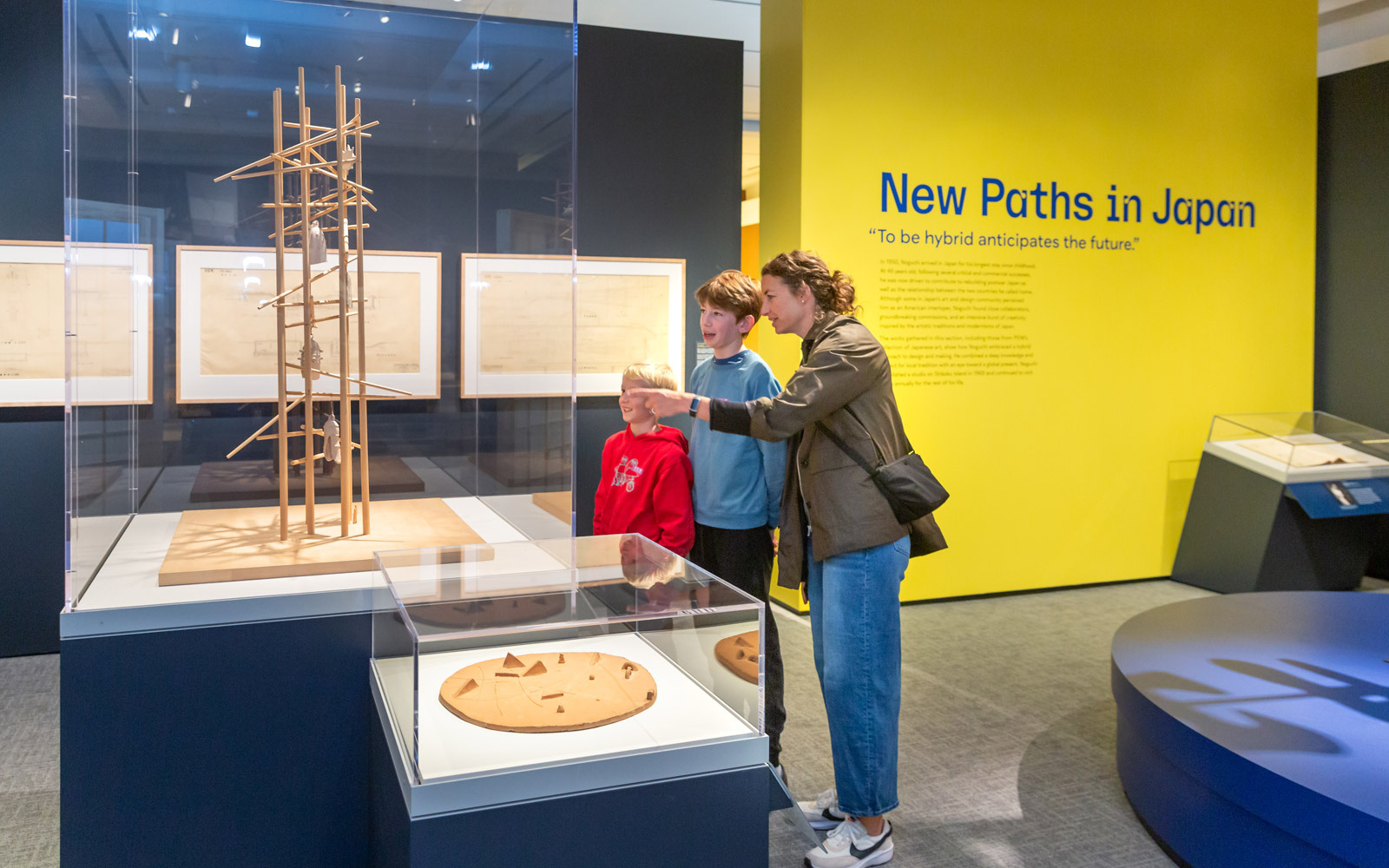
Photo by Kathy Tarantola/PEM.
Related events
EVENT
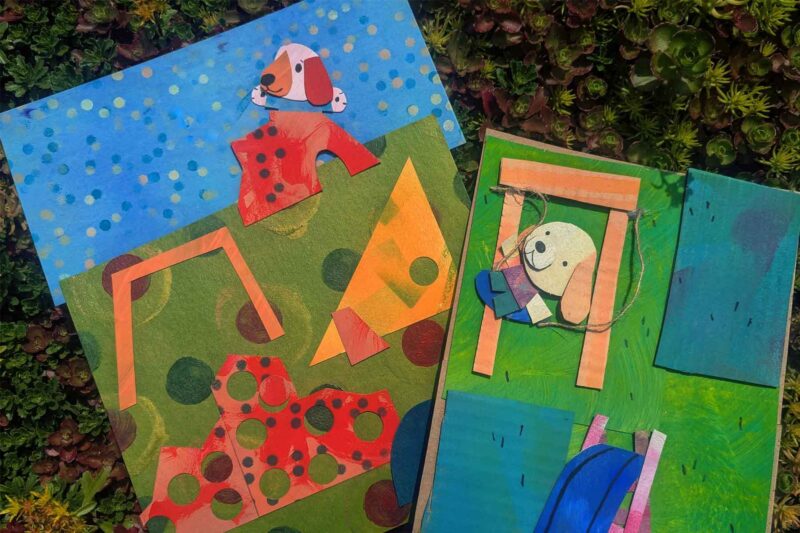
Noguchi-Inspired Playground Collages
Saturday, November 7, 2026 from 1–3 pm
available 7 more times

EVENT
Noguchi and Japanese American Internment During World War II
Saturday, November 14, 2026 from 1–3 pm
EVENT
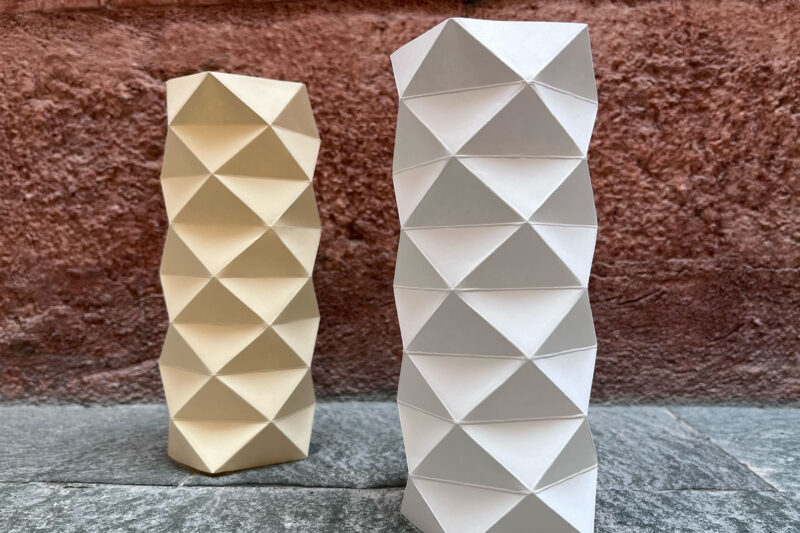
Drop-In Art Making: Noguchi-Inspired Light Sculptures
Friday, November 6, 2026 from 3–4:30 pm
available 3 more times
Keep exploring