CONNECTED | Jun 01, 2026
Behind the scenes of the Salem Food at 400+ Festival
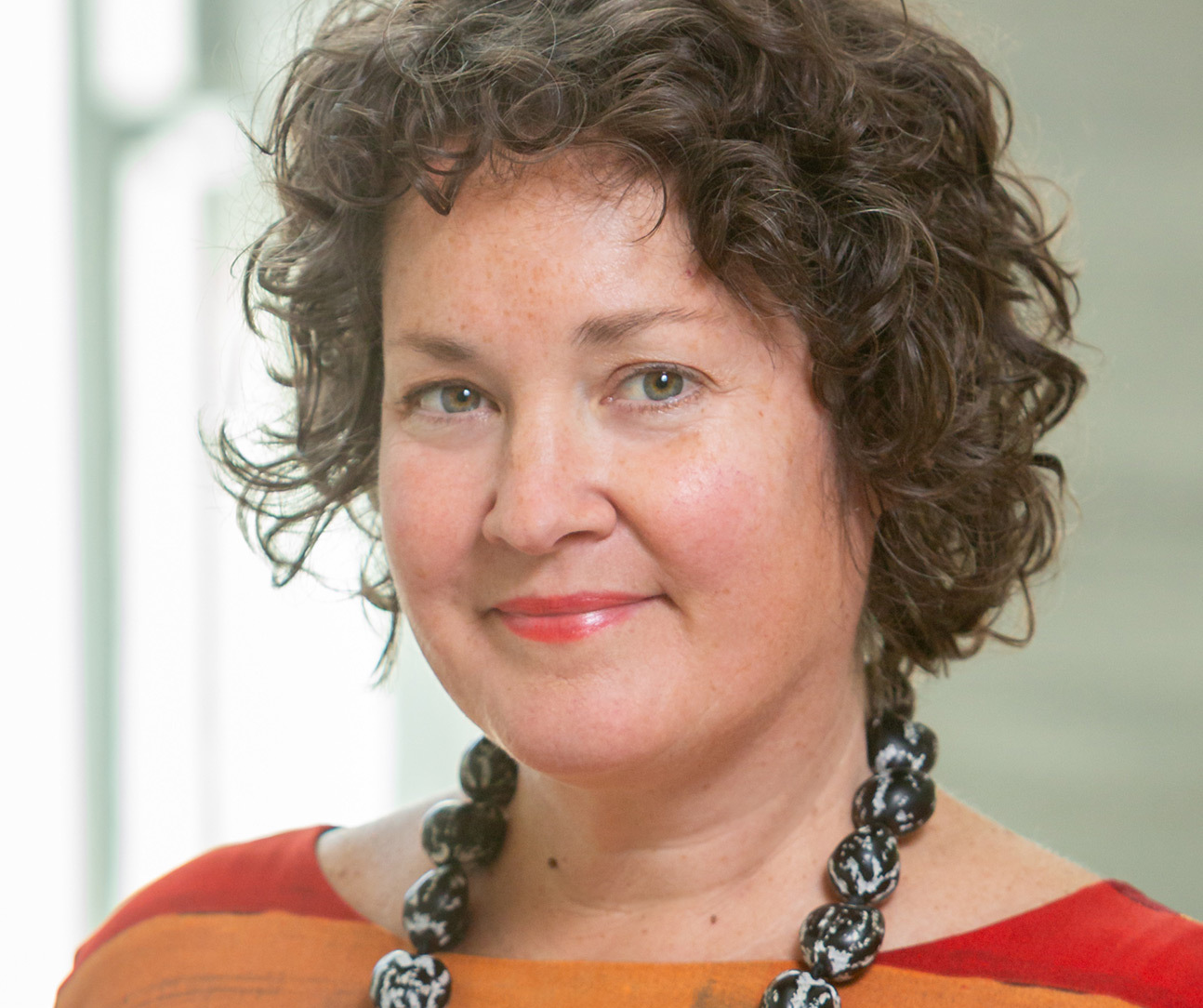
One of the many things happening this year to commemorate the 400th anniversary of Salem’s settlement is the Salem Food at 400+ Festival. This family-friendly, 11-day event series shines a light on four centuries of food in Salem, going back to the city’s founder, Roger Conant, the cod salter who first brought European settlers to the place Indigenous communities called Naumkeag.
Award-winning chef Scott Conant, a descendent of Roger Conant, will give a talk at Salem State University. A historian from the English village of East Budleigh where Roger Conant was born will ring a bell to open the season for the Salem Farmers Market. Salem’s restaurants, cideries, distilleries and historic houses will all pitch in to pack in a lot of food and history. The festival is run by Karen Scalia, the food lover behind Salem Food Tours. We caught up with her to discuss the festival and what PEM’s historic houses are doing to celebrate.
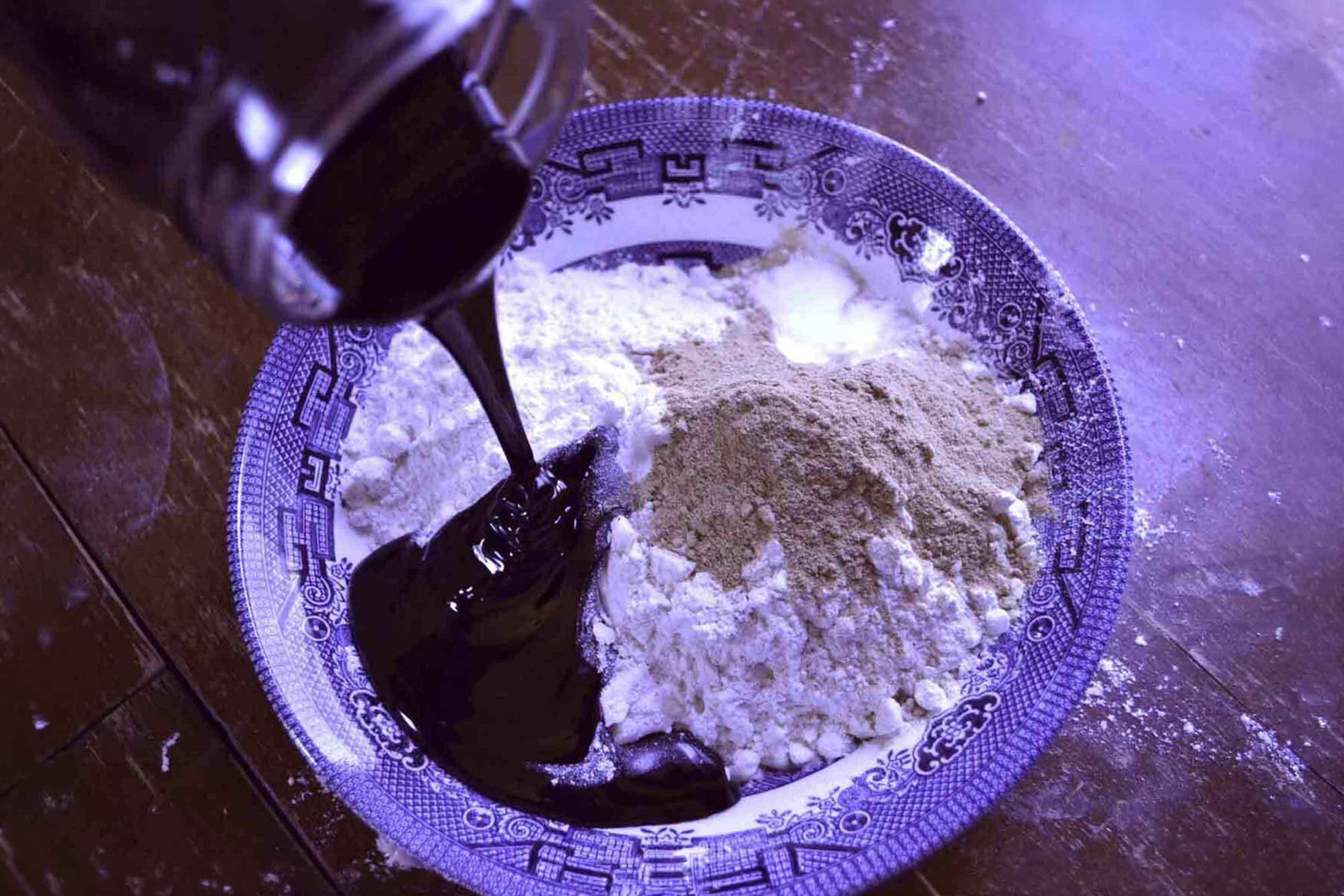
Cooking up a historic recipe for gingerbread from PEM’s Ropes Mansion. Photo by Meg Boeni/PEM
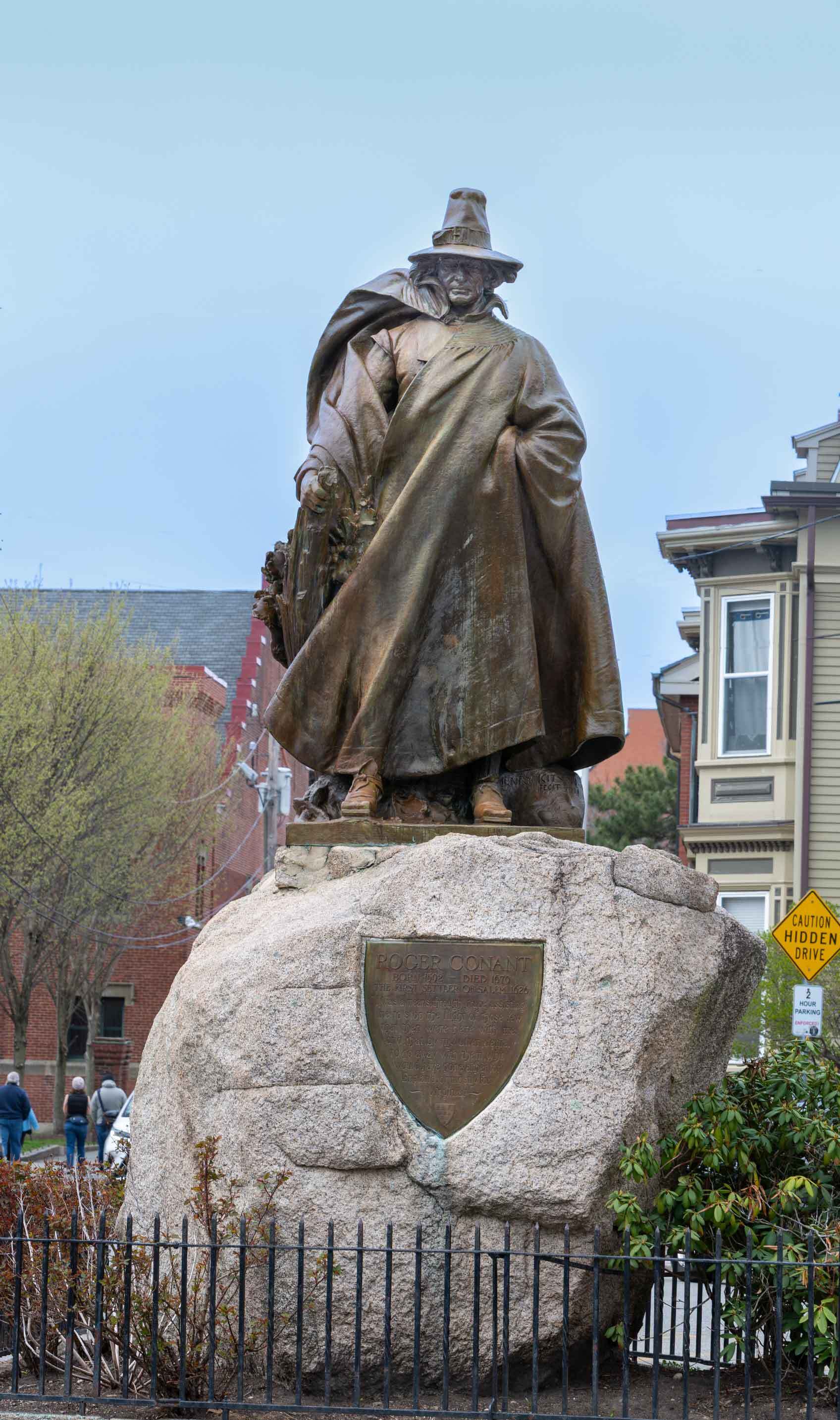
Roger Conant statue in Salem. Photo by Kathy Tarantola/PEM.
Q: How long have you lived in Salem, and when did you become fascinated by founder Roger Conant?
A: I’ve lived in Salem now for over 20 years. Years ago, I was given a cookbook by a friend of mine who had it signed by Chef Scott Conant of Food Network fame. And it said, “Hello to the city where my great-grandfather plus, plus, plus, plus, plus founded and settled,” or something like that. And I was intrigued by that. Flash forward a few years later, and I started the food tours here in Salem. And I always had in my mind, knowing in 2026, Salem was turning 400, wouldn't it be cool to bring Scott Conant to Salem? But what really started to make this all come together was when I began to learn more about the founding of Salem and Roger Conant. His statue is outside the Salem Witch Museum. Many of us drive by it and don't give it much of a thought, but he was a very special guy.
Q: Tell me about your focus on Roger Conant as a peacemaker and community-minded person.
A: It was through conversations with local historians and doing my own research that I began to really get a fuller picture about who he was. I want to definitely give a nod out to Ben Shallop, who wrote The Founding of Salem, City of Peace. He connected with the village in southern England where Roger Conant was from, East Budleigh. And he was sharing information on Roger Conant being known as a peacemaker: he actually settled the skirmish with Miles Standish on Cape Ann in what’s now Gloucester. So they wanted to dispatch him to be what we now know as the first governor of Massachusetts. And he was the one who said, I want to go down to Naumkeag. It's a better area to fish and farm and set up. And he brought a group here, as we know, to settle on the North River of Salem. What started to shine through again were those leadership qualities and community-building aspects of his personality that also connected with the Indigenous tribes that were here. This was a perfect place to settle. It's a wonderful place to fish. It's definitely easier to set up small farms and to start to work the land. You've got the two rivers in Salem that were just teeming. They really couldn't have picked a better place.
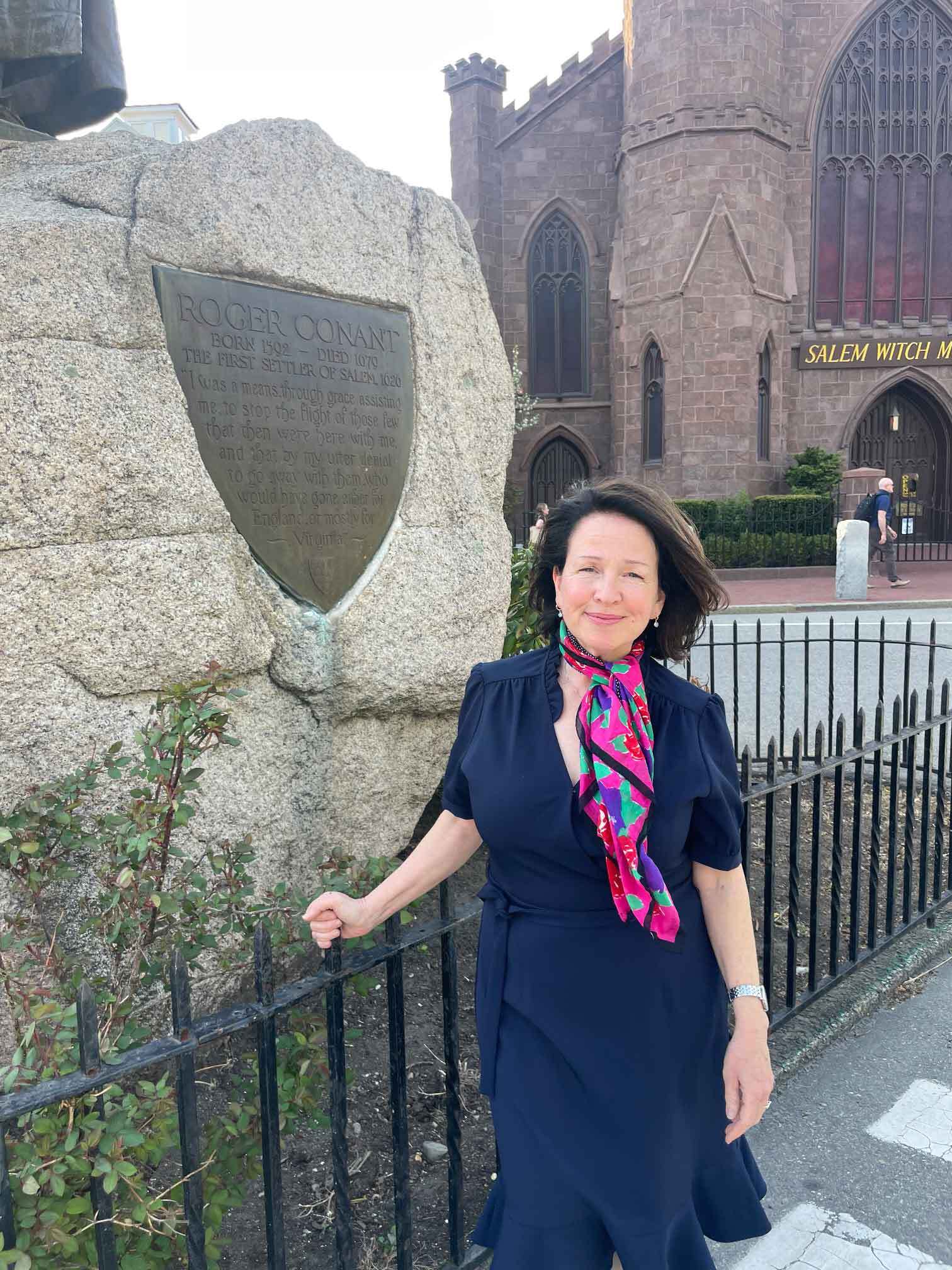
Karen Scalia with the Roger Conant statue near Salem Common. Courtesy of Karen Scalia.
Q: What led you to Conant’s hometown?
A: I had planned on going over to England last spring to do some research to prepare for Salem Food at 400+. And I approached Salem Mayor Dominick Pangallo, and said, “what if we approach East Budleigh to become sister cities?” And he immediately responded to the idea and wrote a beautiful letter that I personally delivered to their parish council leader, John Tressiter, and with other members of the village there in the Historical Society. As the letter stated, a sister city partnership allows us to foster international goodwill and friendship, commemorate Salem's 400th anniversary with an international celebration of our shared history, promote educational and cultural exchanges between our communities, celebrate and preserve our shared historical connections, develop mutual understanding between residents of Salem and East Budleigh and create opportunities for historical research and collaboration.
Q: What did you find when you went to East Budleigh?
A: I got to this tiny, quaint little village, and it's everything you think of in your imagination. It's charming. Houses that are hundreds and hundreds of years old. Thatched roofs. A little river that runs through the middle of town. And I have to admit, I got out of the car, and I was in tears. It was really special to stand in the place where Roger Conant is from. And so, I looked around a little bit, and then I was taken on a lovely little tour of the village and its area. And we visited the church where Roger Conant was baptized. What really moved me was they had a plaque that honored Roger Conant. So we have this statue in Salem, and now I'm across the pond away from home, and there is a plaque honoring their peacemaker, that says, “Roger Conant, 1592 to 1679, born in East Budleigh and baptized in All Saints Church. He founded Salem, Massachusetts in 1626. He is remembered for his attitude of tolerance and conciliation among the early settlers of New England. In later years, he petitioned for Beverly, Massachusetts to be renamed Budleigh.”
When I connected with the folks of East Budleigh I learned that they were planning a celebration this spring to have the very first Peacemakers Festival, honoring Roger Conant, just a few weeks apart from our festival in Salem.
Q: Why are you excited about Salem 400+? Why do you think it's important for us to pause and celebrate our founding?
A: I'm a big believer in milestones. As we see in Salem’s Witch Trials Memorial, it's reflecting on our history, how we can learn from it, how we can do better. As we commemorate our 400th anniversary and we look towards the future, of course, we reflect back. What lessons have we learned? How can we do better? And I am very proud to be a small business owner here in Salem. I really love the attitude of our city and what we embrace.
There are fantastic stories here in this city. I fell in love with spice trade history and that’s why I started Salem Food Tours. And to be able to tell this story now about Conant, about East Budleigh, to share the stories of our local places is... I'm honored and humbled and really, really happy.
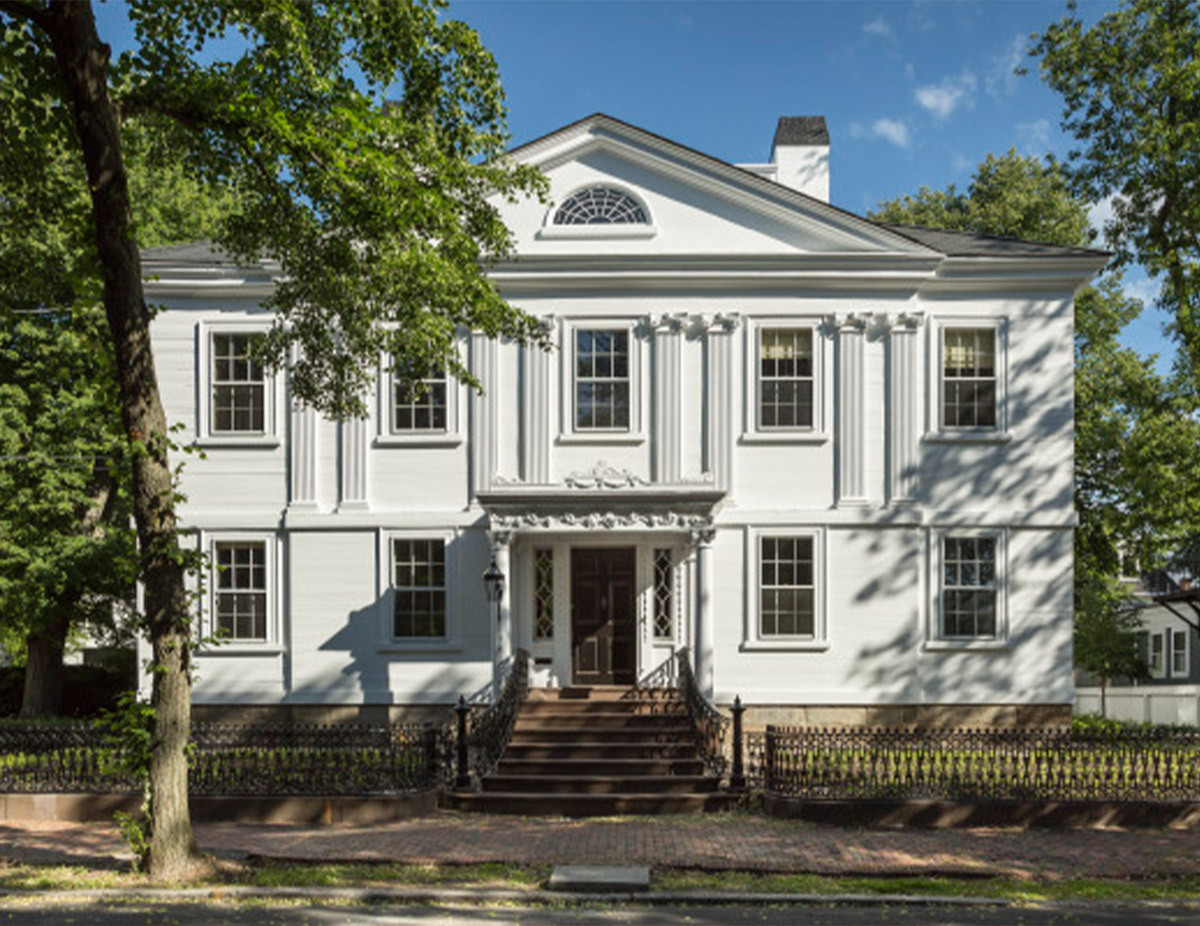
PEM’s Cotting-Smith House will be open to the public during Salem Food at 400. Photo by Allison White/PEM.
Q: How is PEM involved in Salem Food at 400+?
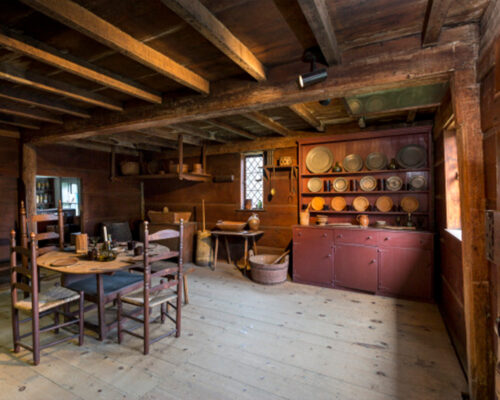
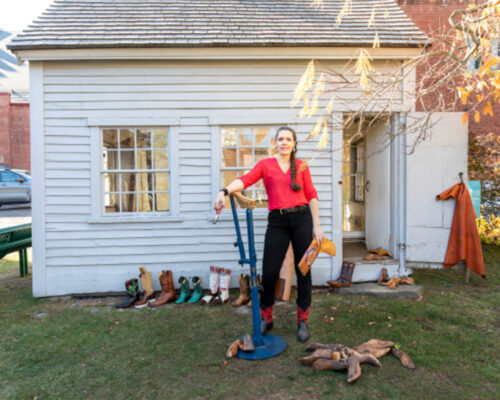
A: On June 13 and 14, PEM’s Cotting-Smith Assembly House and John Ward House will both be open for visitors, with Footwear Artist in Residence Sarah Guerin onsite in the Ward House Saturday to discuss shoemaking and its connection to the kitchen. Both houses will be giving away gingerbread cookies adapted from a recipe by Sally Ropes Orne, former resident of Ropes Mansion. (Learn more about how a PEM staff member created that recipe on our blog.) Other participating historic houses include the House of the Seven Gables, the Jonathan Corwin house and the Phillips House. Wristbands are available at Old Town Hall. It's spring in Salem, and who doesn't enjoy a great cookie?
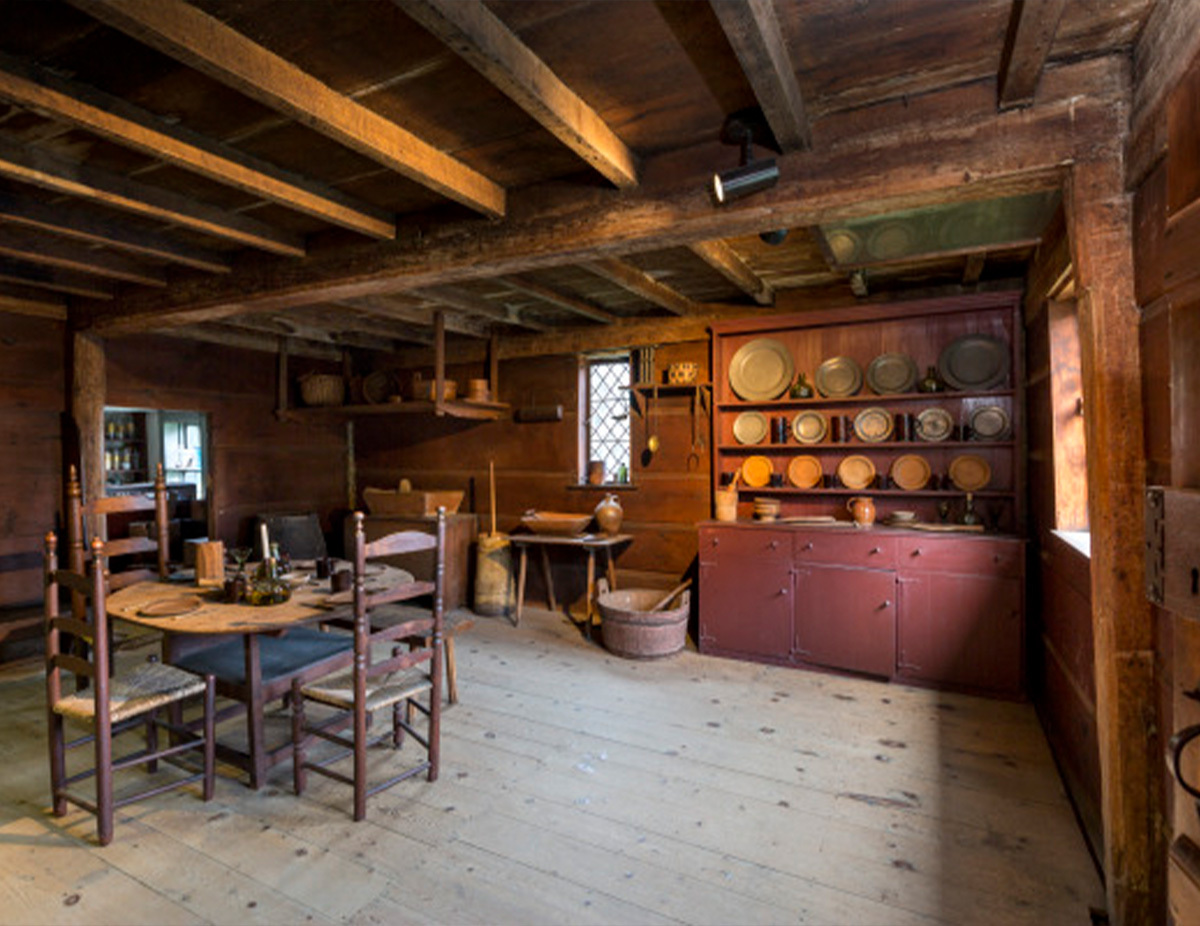
The kitchen of the Ward House. Photo by Kathy Tarantola/PEM.
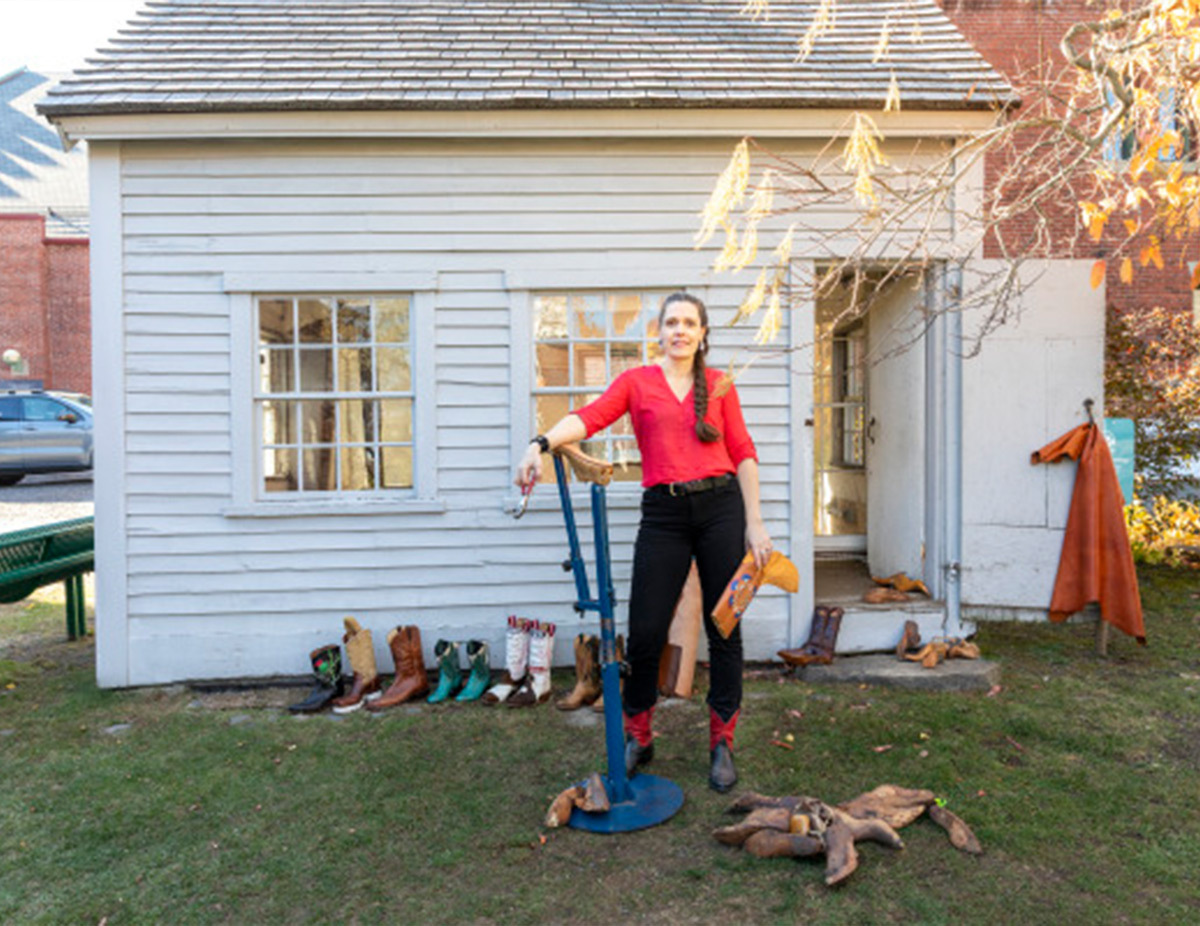
Sarah Madeleine T. Guerin at the Lye-Tapley shoe shop, 2025. Peabody Essex Museum. Photo by Kathy Tarantola/PEM.
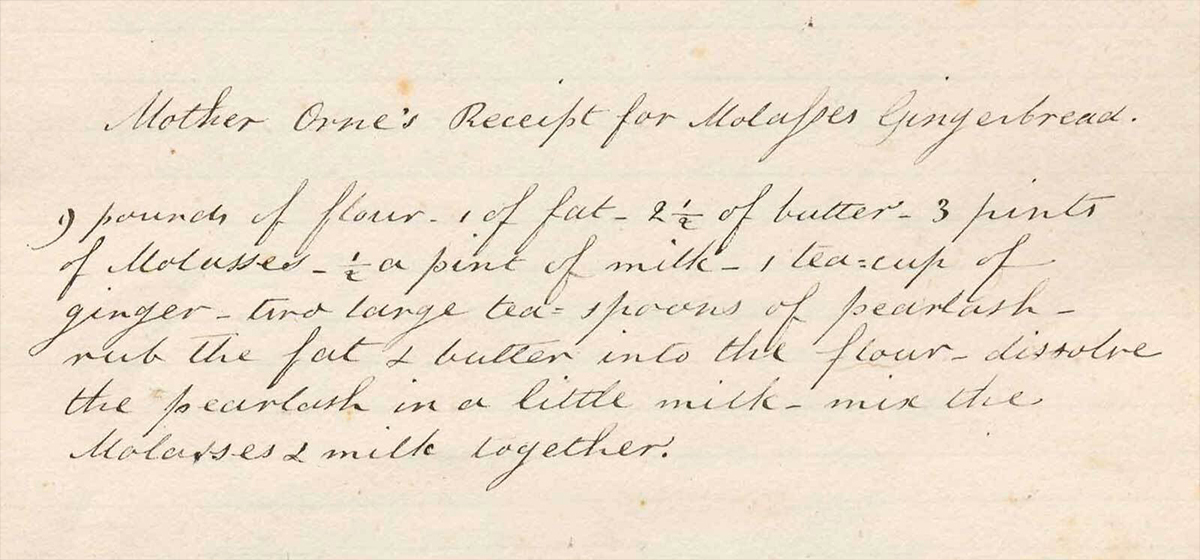
Sally Fiske Ropes Orne’s recipe book (1795–1876). Orne, Sally Ropes, Recipe book, 19th-century, Ropes Family papers, MSS 190, box 10, folder 6. Courtesy of Phillips Library, Peabody Essex Museum, Rowley, MA.
Salem Food at 400 is June 11-22. To learn more about the festival, go to foodat400.com. To hear Karen Scalia speak more about the festival and her trip to Roger Conant’s hometown, check out an upcoming episode of PEM’s podcast, the PEMcast. PEM is pleased to host a range of activities throughout 2026 that celebrate our storied city. Salem 400+ commemorates the city's quadricentennial while acknowledging the preexisting Indigenous community and explores the opportunities and connections of Salem’s multifaceted history while crafting a vision for current and future generations.
East Budleigh is PEM’s second sister city, after Ōta, Japan.
Keep Exploring
Blog
Historic Holiday Recipes: Recreating 200-Year-Old Gingerbread
7 Min read

Learn
Salem 400+
Campus
Historic Houses

PEMcast
PEMcast 42: Circumnavigating the globe in East India Marine Hall
25 min listen