
CONNECTED | Feb 05, 2026
Behind the scenes of PEM’s new Craft in America audio tour

As a curator at PEM, I have been involved in exhibitions, publications and collections projects that have featured a variety of handmade American artworks. From a pair of child’s sailor pants to a woven eel trap, PEM’s galleries are filled with things made by countless skilled, and sometimes unknown, hands. Handcrafted objects can be found throughout our collection areas: jewelry, historic and contemporary fashion, samplers and needlework, quilts and coverlets and decorative arts such as ceramics and furniture. I find researching artists and makers and the historical and artistic context of artworks, and exploring their expressiveness and relevance for today’s museum audiences, a particularly exciting aspect of my curatorial work.
Josh Simpson, Mega Megaplanet, 1999. Glass. Museum purchase, 1999. 137968. © Josh Simpson. Image Courtesy of the Peabody Essex Museum. Photo by Mark Sexton/PEM.
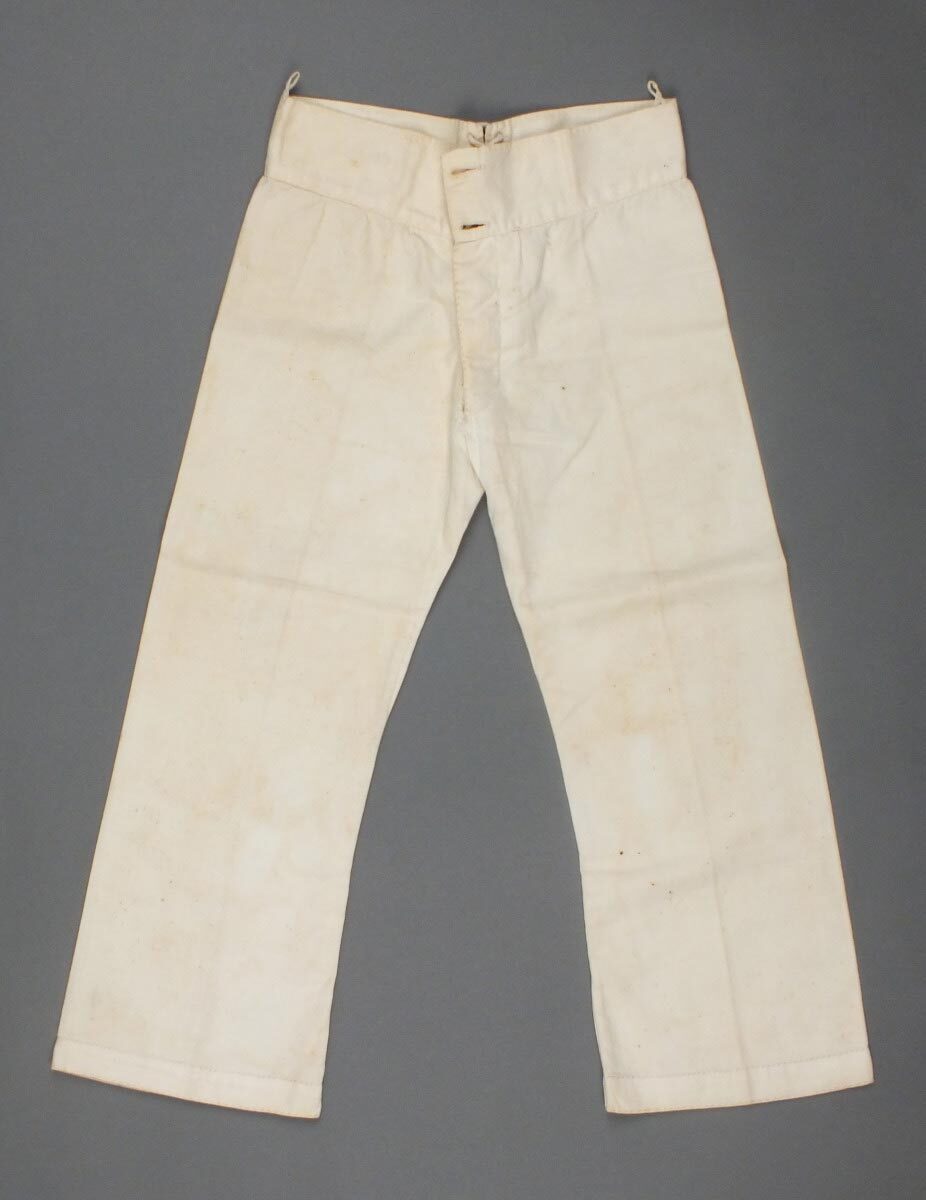
Sailors on board the bark Wyman, Child’s trousers, about 1857. Linen. Gift of Miss M. C. Harrington, 1957. M9244. Peabody Essex Museum.
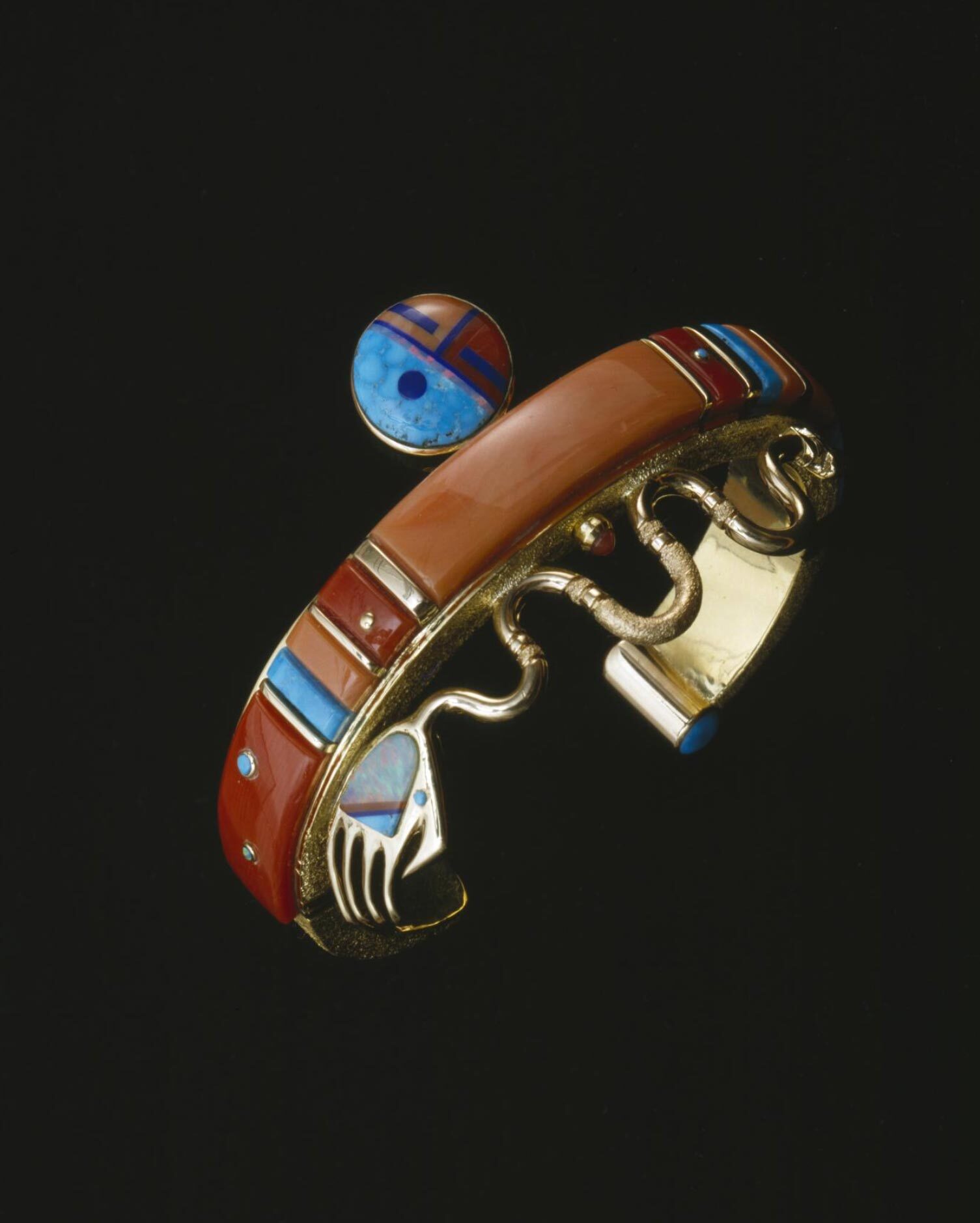
Jesse Monongya, Hopi Pueblo and Diné (Navajo), born 1952. Spiritual Hand, 2002. Gold, opal, coral, and turquoise. Museum purchase, made possible by Catherine B. Wygant and Sally Loring, 2002. E301995. © Jesse Monongya. Image courtesy of the Peabody Essex Museum.
This year, in conjunction with Salem 400+, PEM is proud to participate in Handwork: Celebrating American Craft 2026, a nationwide initiative led by Craft in America to honor the handmade during America’s 250th anniversary celebration. Through PEM’s “Craft in America” audio tour, we join museums, artists and organizations nationwide in celebrating the craft traditions that connect us through history and time.
The tour guides visitors through nearly 30 objects drawn from six of PEM’s collection galleries, highlighting the artistry and ingenuity of handcraft across more than 500 years. From early American Colonial creations to contemporary expressions, each stop reveals the enduring power of handwork as a source of beauty, meaning and cultural identity, inviting reflection on its evolving role in shaping the American experience and on the timeless value of creating something with your own hands.
While I have been interested in handcrafts for a long time, I confess I am not currently a practitioner. I grew up in a family where my parents and relatives were regularly making things in wood and textiles; they were also educators in public schools. I received basic instructions in several techniques – sewing, knitting and embroidery. My memories of these experiences include the pungent scents of sawdust and wool and the feel of thread and yarn running through my hands. As an adult, I have also enjoyed visiting New England’s regional craft festivals, such as the League of New Hampshire Craftsmen’s summer festival and Massachusetts’ Paradise City Arts Festival, as well as local craft fairs and artisan tours. Meeting artists and watching their demonstrations adds a deeper understanding, meaning and appreciation of artwork. Living with handmade, functional objects adds color and sensory experiences that enhance pleasure in daily life.
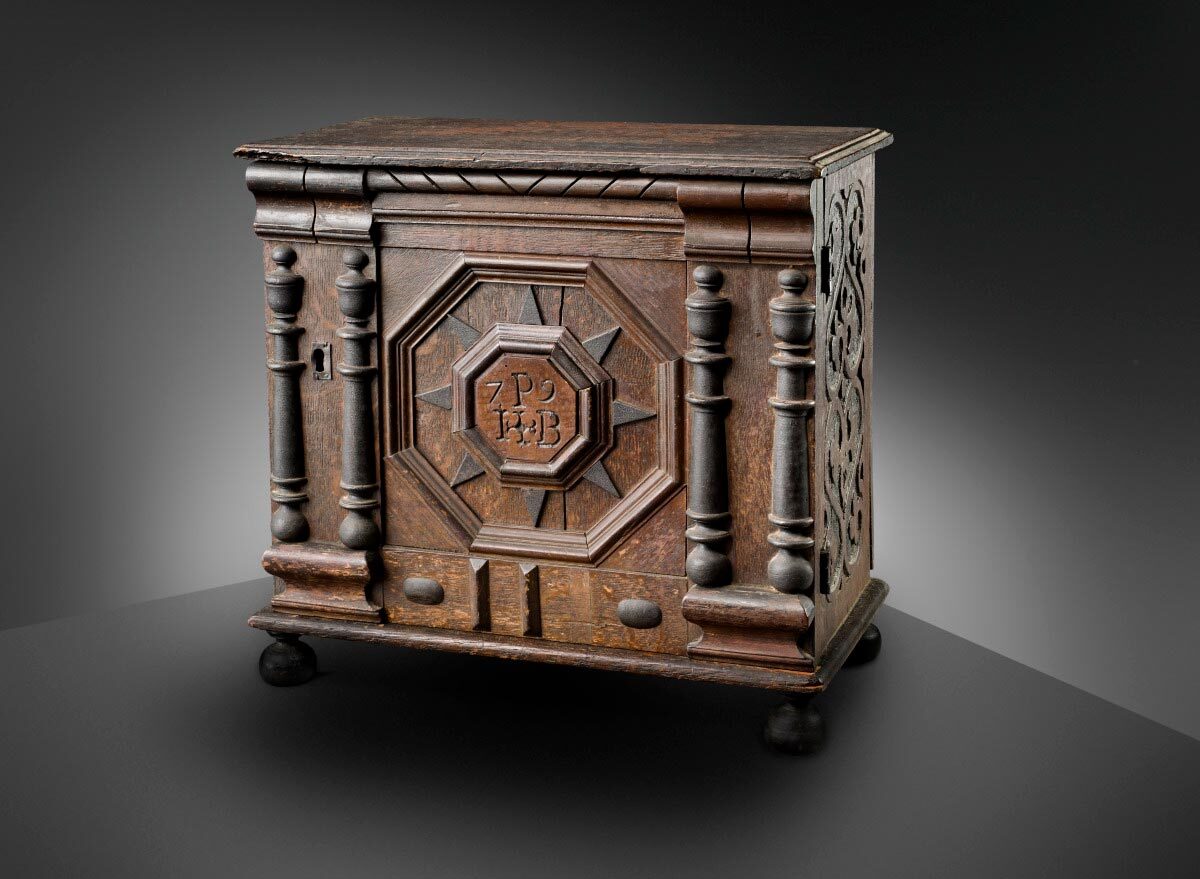
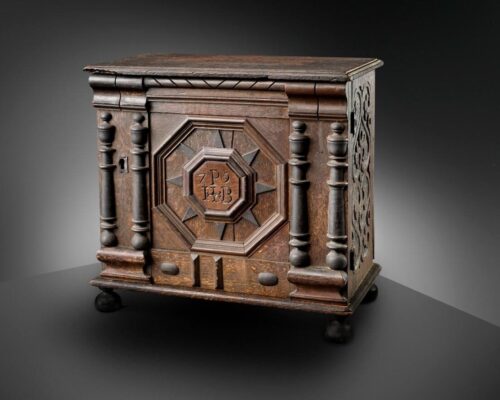
James Symonds, Valuables cabinet owned by Joseph and Bathsheba Pope, 1679. Oak, maple, iron, and paint. Museum purchase, made possible by anonymous donors, 2000. 138011. Peabody Essex Museum. Photo by Dennis Helmar.
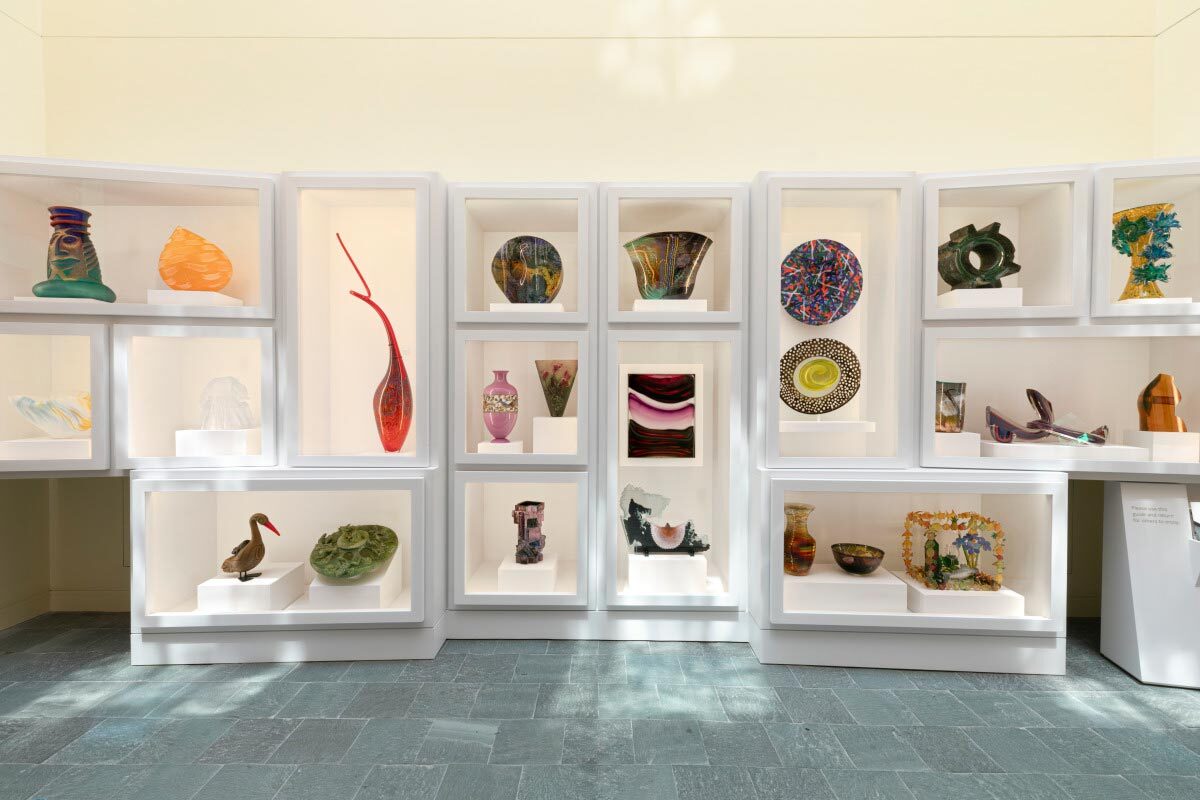
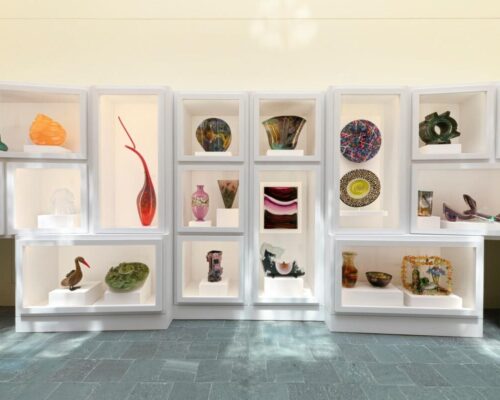
PEM’s Studio Glass gallery, 2024. Peabody Essex Museum. Photo by Mel Taing.
In a time of increasing reliance on digital ways of living and working, and with the need to discern how to navigate the opportunities and challenges of Artificial Intelligence (AI), it seems like making objects by hand could soon become obsolete. But, I don’t think it ever will be. Recent scientific theories about embodied cognition suggest that thinking is not an exclusively abstract process in the brain, but is connected with bodily and sensory experiences that enhance knowledge, understanding and awareness. When the craftspeople I’ve met discuss the benefits of making things by hand, they describe not only the satisfaction of accomplishing a goal, but also how the physical process of creating gives them time to focus, reflect, problem-solve or even relax, contributing to their sense of well-being and purpose. There is also a special joy in giving or receiving an original, handmade artwork, that strengthens a relationship and can even connect people across generations and times.
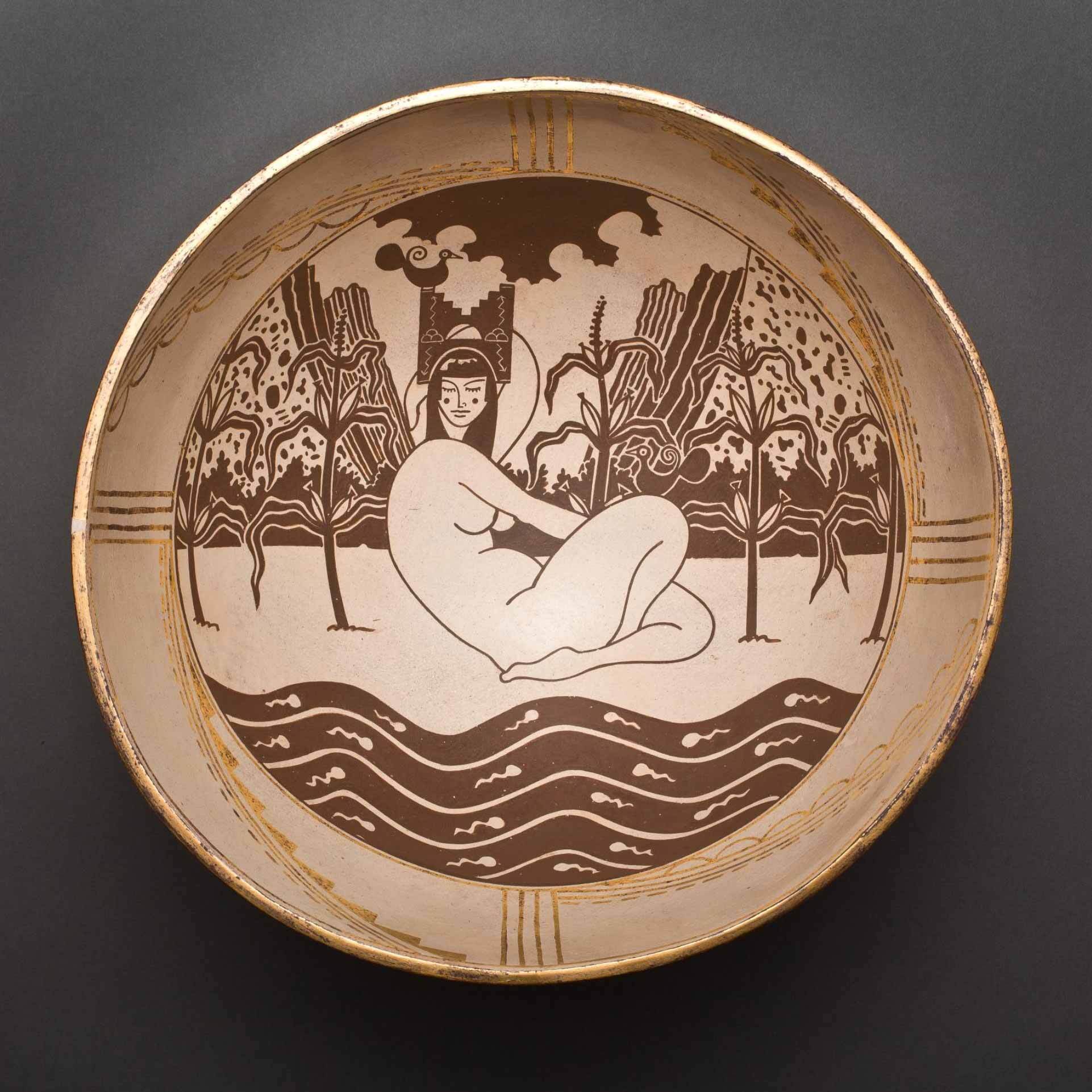
Diego Romero, Cochiti Pueblo, born 1964, Corn Maiden, late 1990s. Ceramic and paint. Gift of James and Margie Krebs, 2008. E303926. © Diego Romero. Image courtesy of the Peabody Essex Museum.
Founded in 2004, Craft in America has been exploring the significance of handmade art and functional objects long before Handwork 2026 got started. They have produced 35 hour-long documentary films “filled with artists, techniques and stories from diverse cultures, blending history with living practice.” These documentaries have aired on PBS stations since 2007. Craft in America is producing four new films for Handwork 2026. I have attended the organization’s monthly planning meetings as PEM’s representative over the past year and also collaborated with several PEM curators and PEM Marketing staff members on developing our museum’s participation in the Handwork 2026 project.
PEM’s new audio tour utilizes a digital platform that you can access via a smart phone during your next museum visit. It provides imagery, audio narration, descriptive object texts, maps and wayfinding. Several stops on the tour feature excerpts from Craft in America’s documentary films, with artist interviews, demonstration clips and additional commentary that illuminate stories from America’s many cultures, blending history with living practice.
During the summer, the tour will lead visitors to a historic 1830s ten-footer shoe shop nearby on the museum campus, where they will discover artist, bootmaker and scholar Sarah Madeleine T. Guerin demonstrating the art of making shoes by hand.
My colleagues and I invite you to come and take this special tour! Get started and begin your journey from home.
This program is part of Handwork 2026, presented by Craft in America.

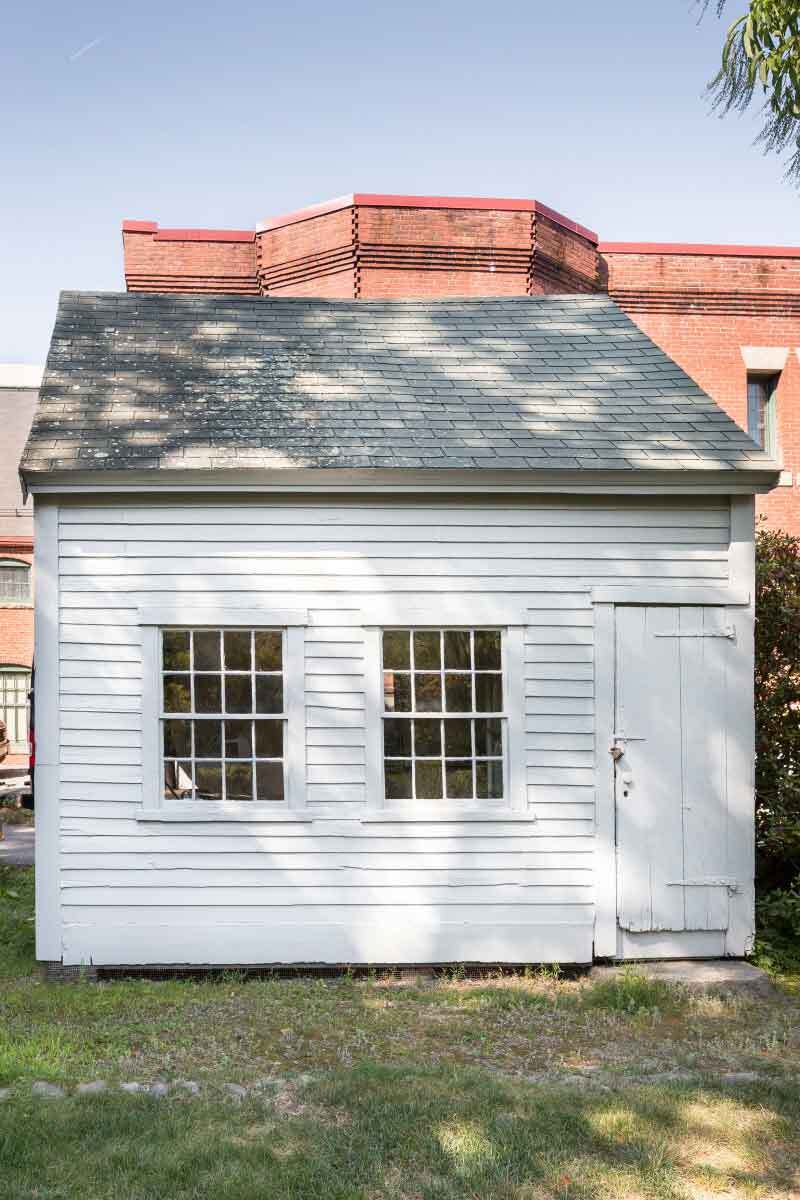
Lye-Tapley Shoe Shop, 2014. Peabody Essex Museum. Photo by Allison White/PEM.
BLOG
Reproducing 19th-century friendship rings from PEM’s collection
7 min read
BLOG
How PEM plans to celebrate Salem 400+
12 MIN READ

Blog
Behind the scenes of our collection highlights tour
5 Min read

Blog
PEM shoe collection inspires designers
6 min read
